Augustijn (2018–19)
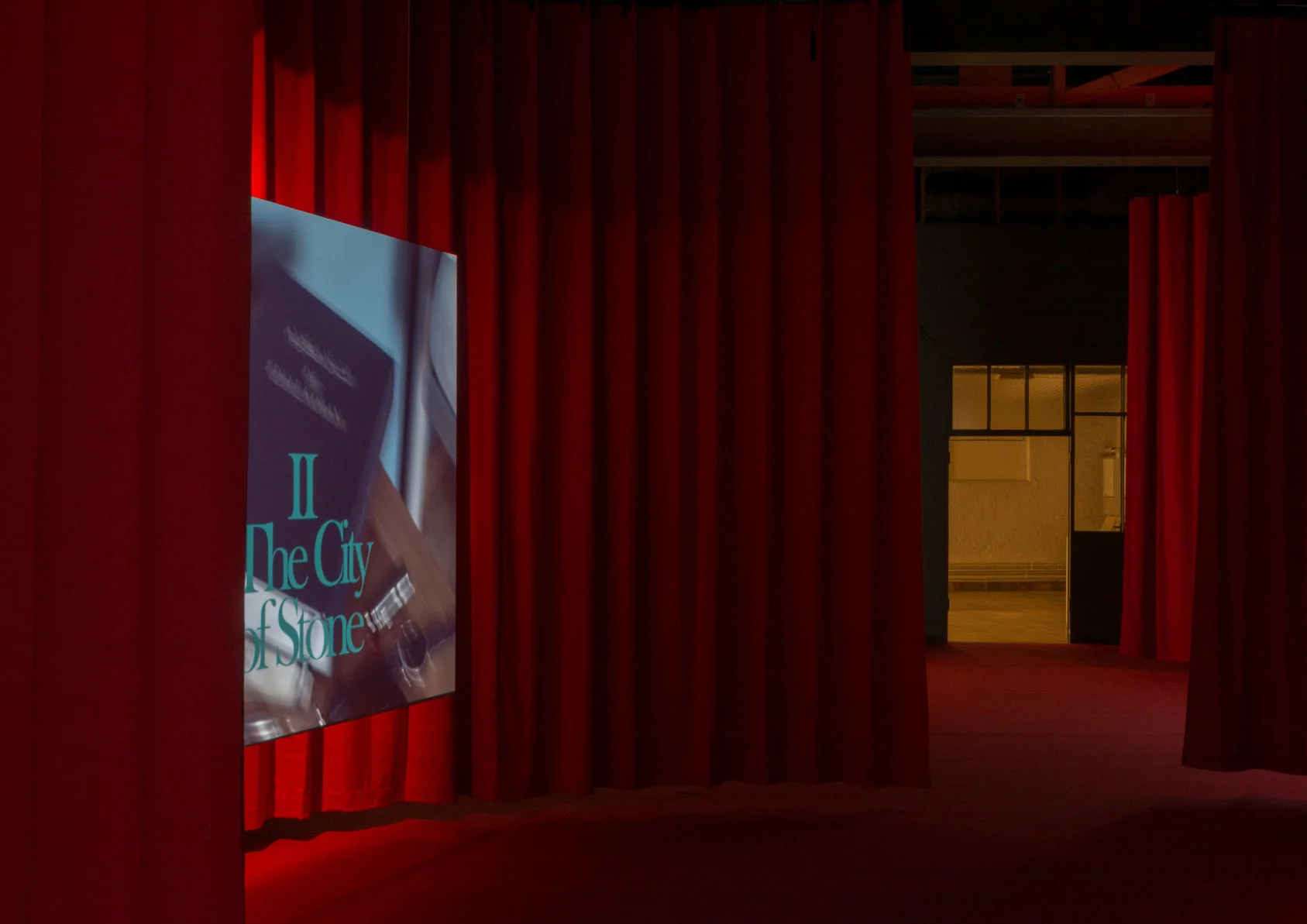
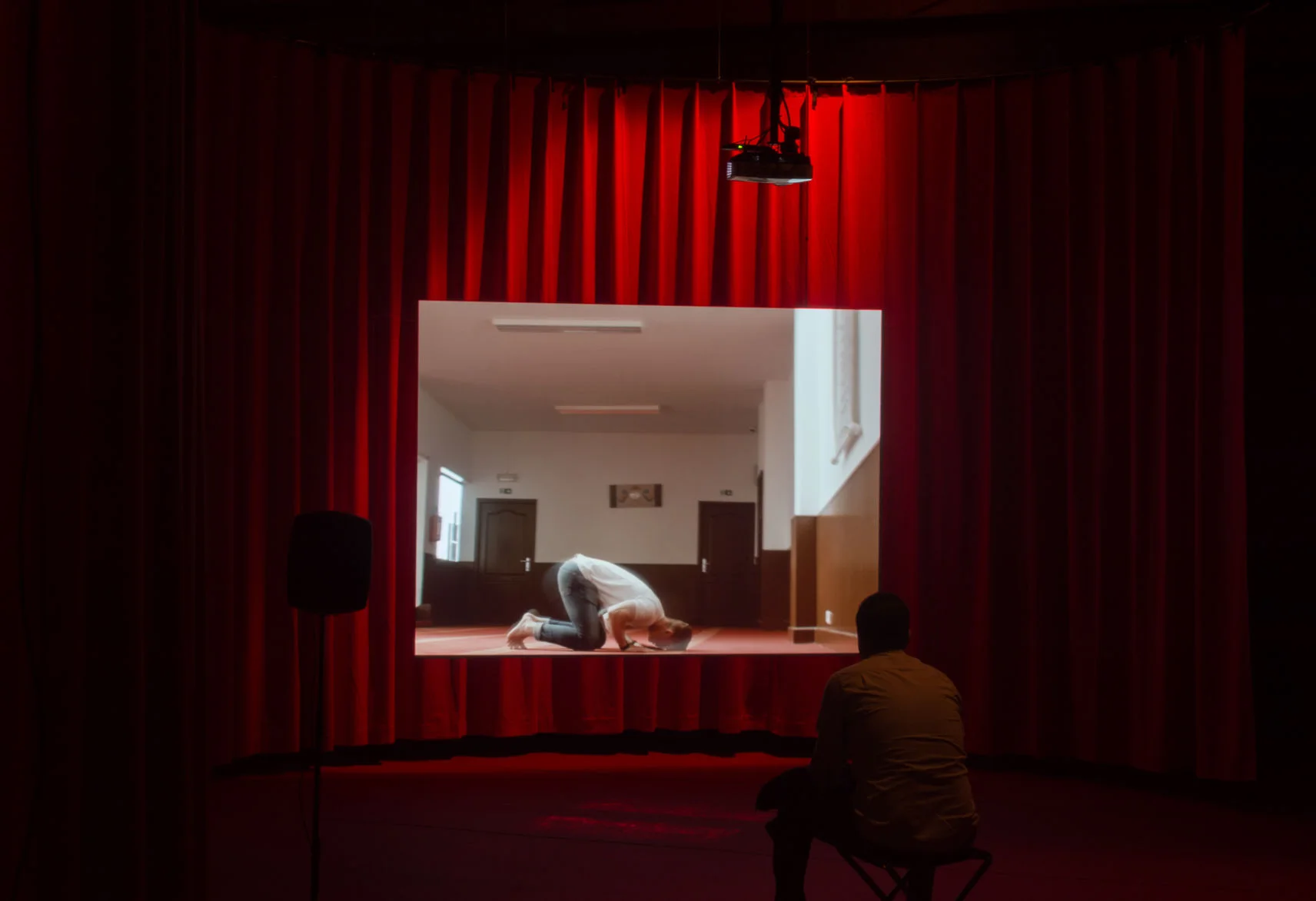
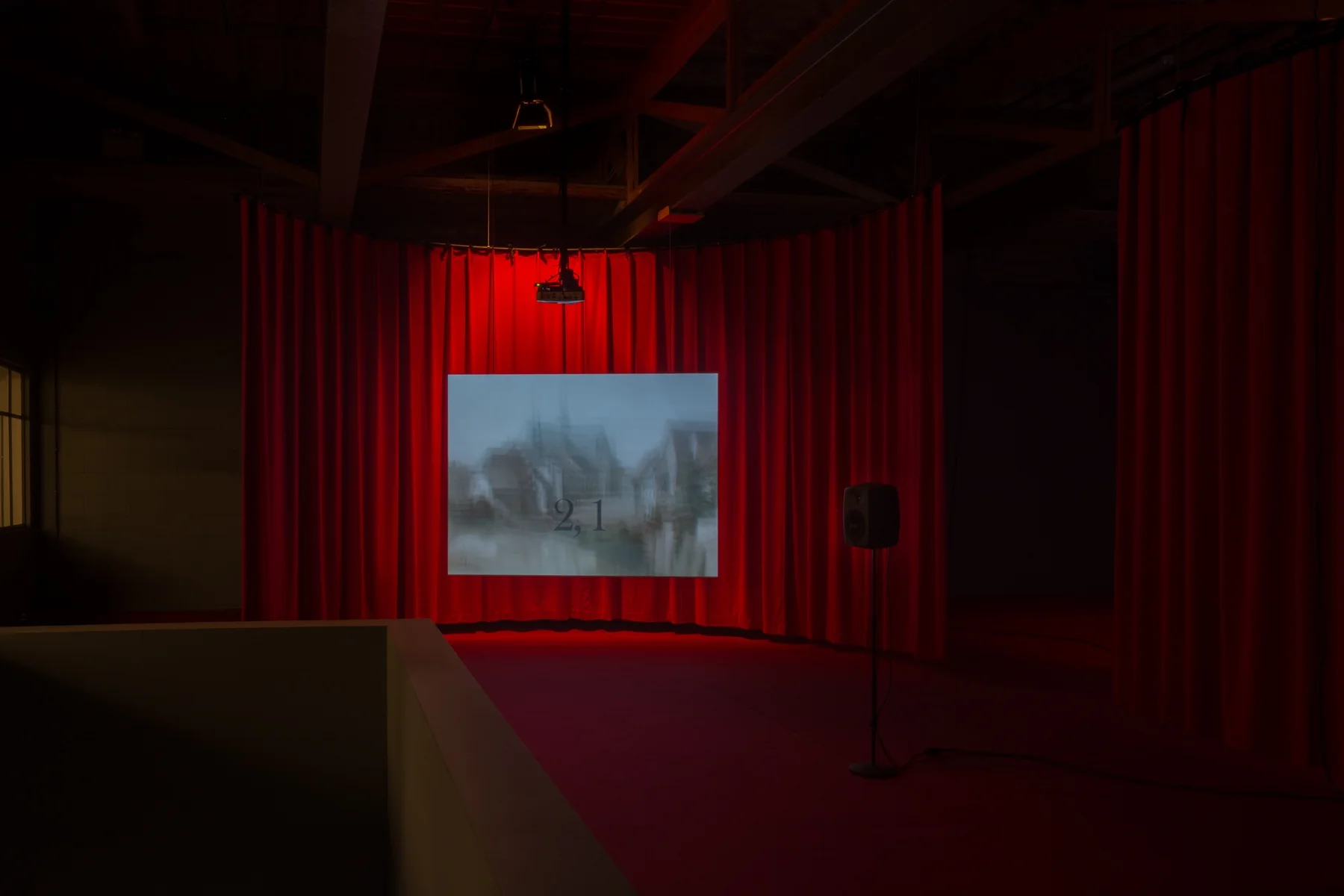
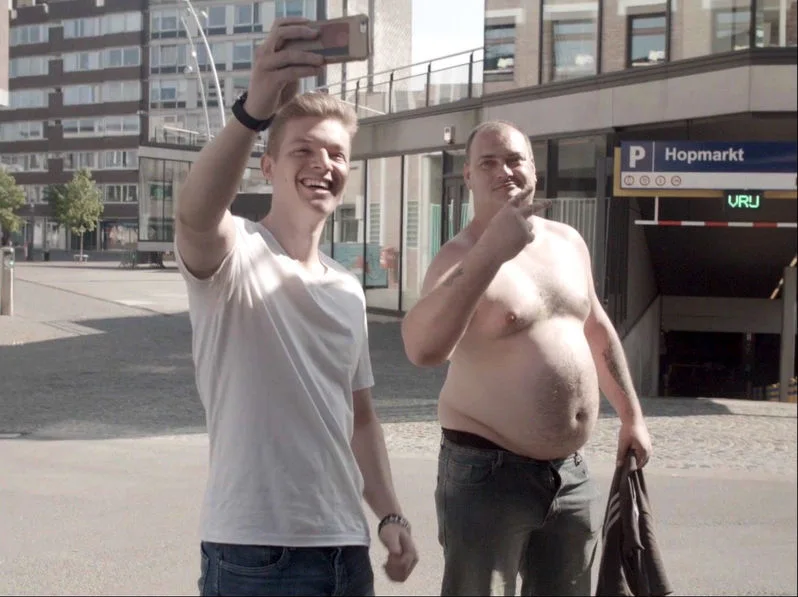


The three-channel film installation Augustijn (2018–19) begins with a real encounter on the wrong train. A blond, blue-eyed young Belgian named Stijn approaches Omar, a filmmaker from a Muslim background who has become an atheist. Stijn has travelled in the opposite direction, from Flemish secularism to an intense commitment to Islam. When they later reconstruct their meeting, they cannot agree on what happened: who spoke first, whether another passenger was drinking beer or why the conversation began. Each recognises that the other version may simply be the better story.
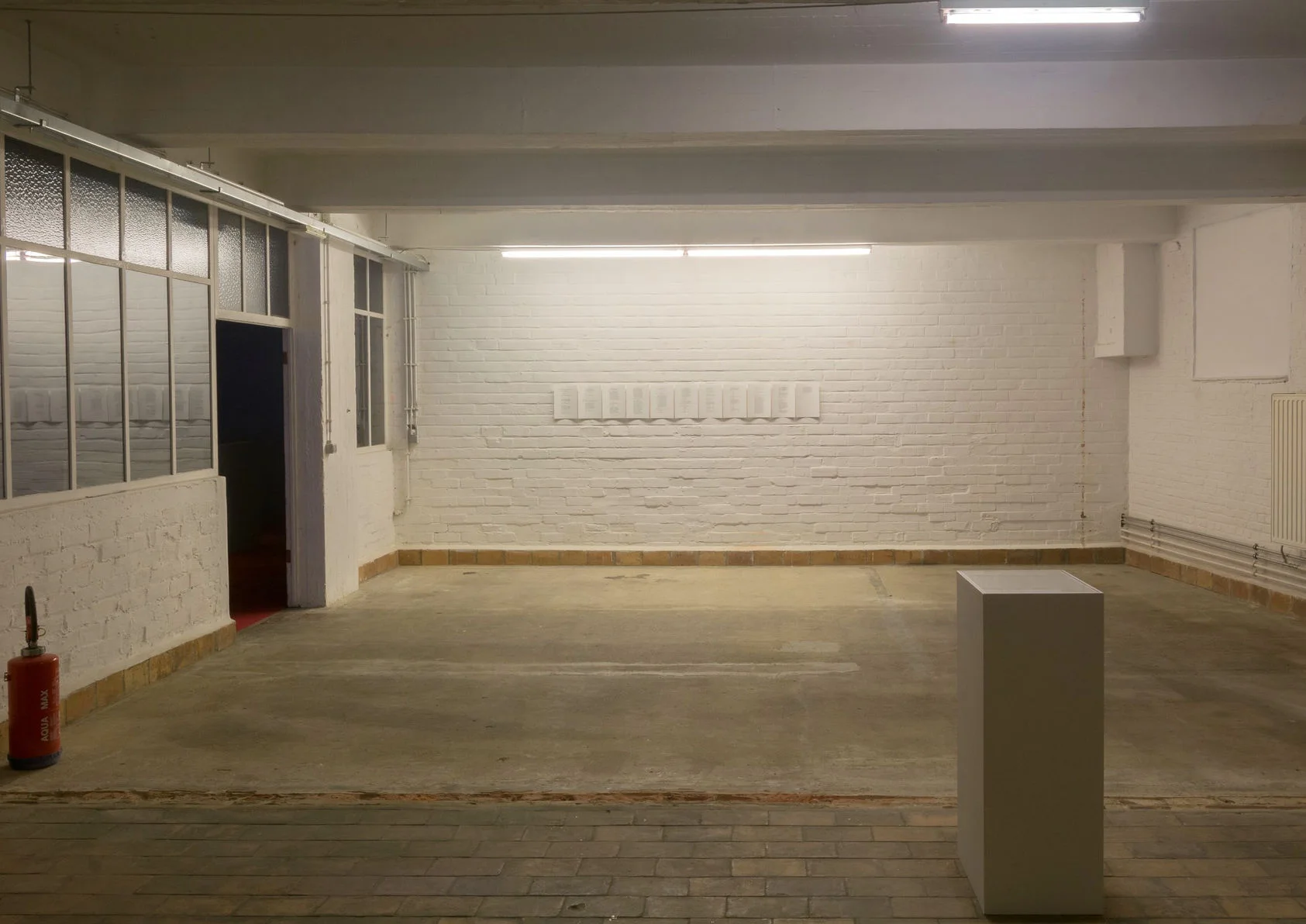
Filmed around Stijn’s hometown of Aalst—in churches, schools, cars, streets and empty rooms—the work follows him as he revisits the Catholic childhood he rejected and describes the faith he adopted. He remembers praying to the Virgin Mary with his great-grandmother, plots a political party for believers, and reflects on masculinity, sex, family and the possibility of turning an empty exhibition room into a mosque. His declarations move between conviction, contradiction, humour and self-reproach. Omar remains behind the camera, questioning, prompting and occasionally correcting him; yet Stijn repeatedly anticipates the film being made, performs his own image and redirects its argument.
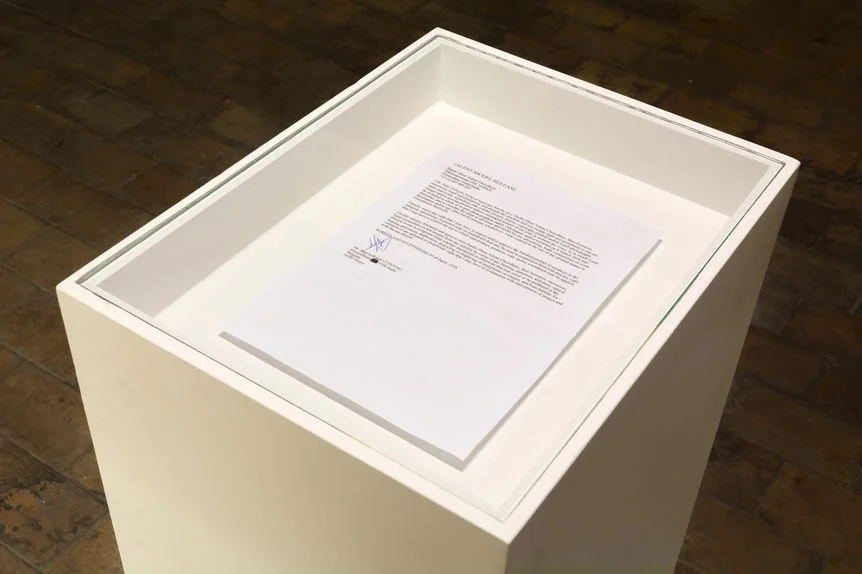
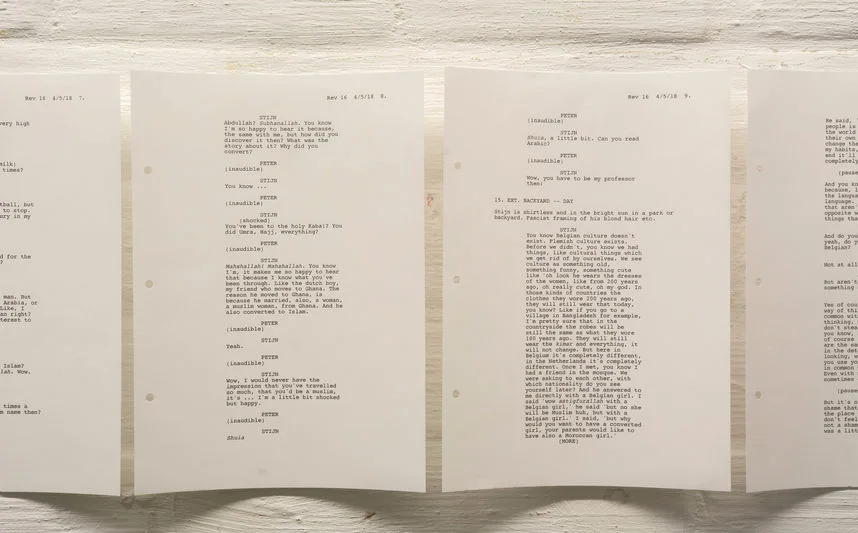
Scenes recur with altered framing, timing or language. Statements that initially appear documentary return as rehearsals or scripted takes, while spontaneous exchanges acquire the polish of fiction. Premiered as both a forty-seven-minute film at IFFR and as a multichannel installation, Augustijn allows competing versions of the encounter to remain audible at once. The portrait gradually becomes a negotiation over belief, desire and authorship between two men who recognise themselves in each other’s reversed trajectories. Neither can remain simply filmmaker or subject, believer or unbeliever; each uses the other to test the story he tells about himself.