Faydabad To-Let (2021)
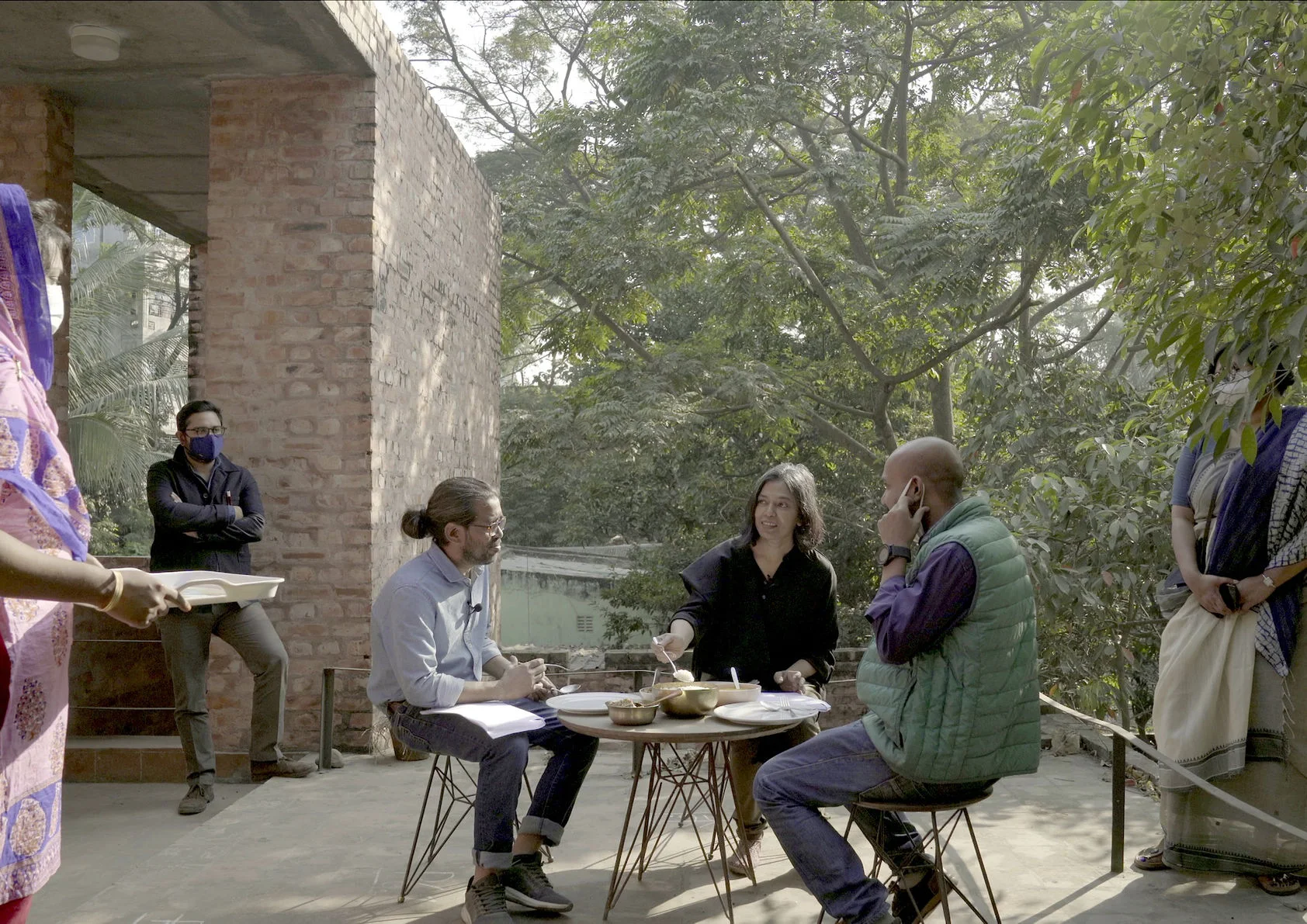
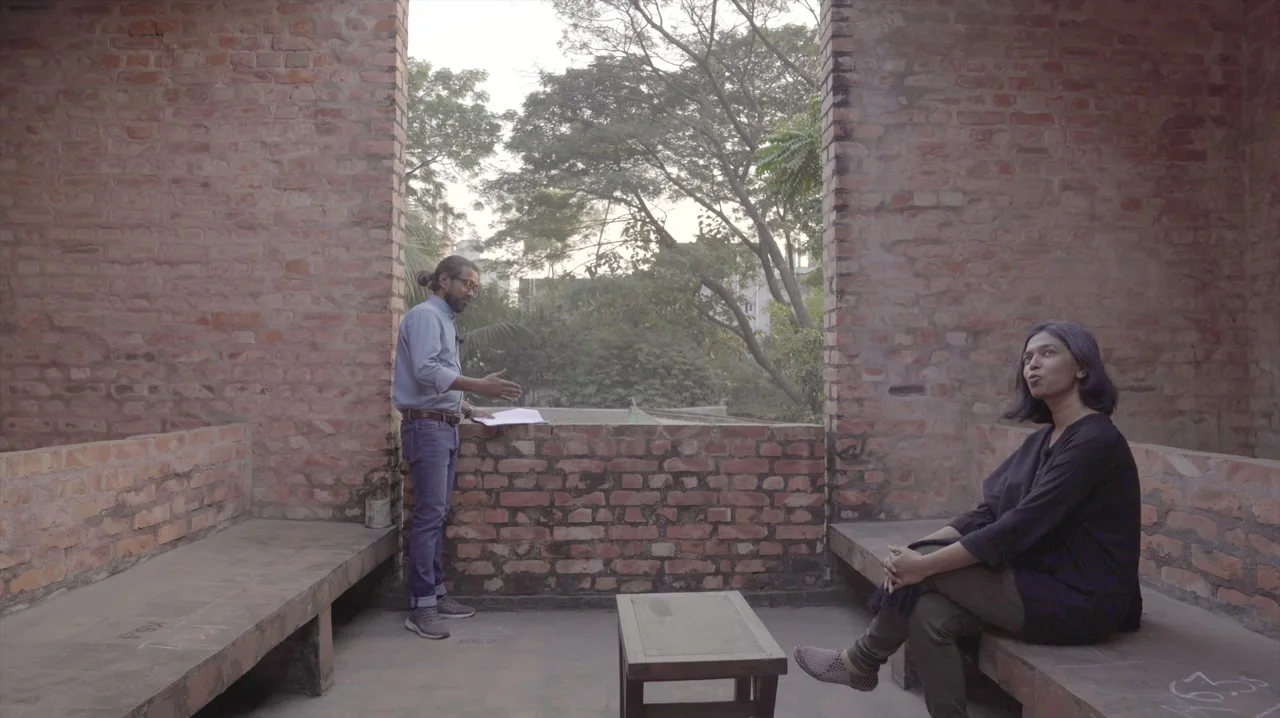
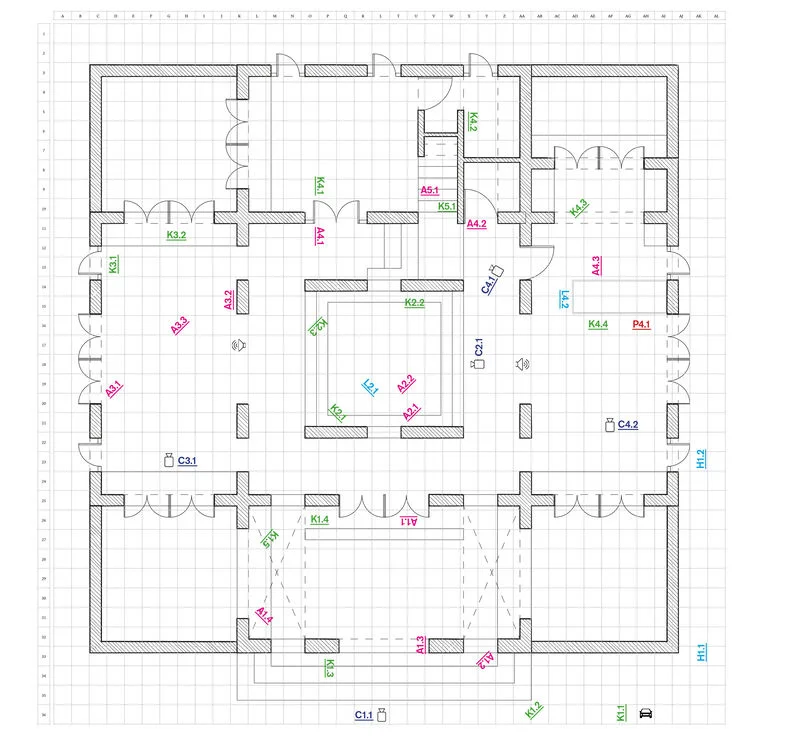
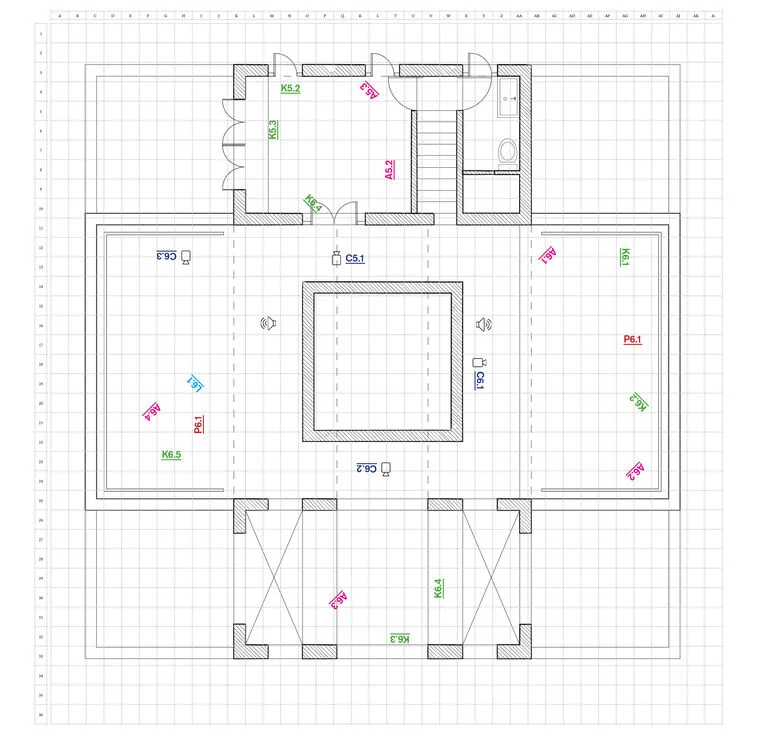
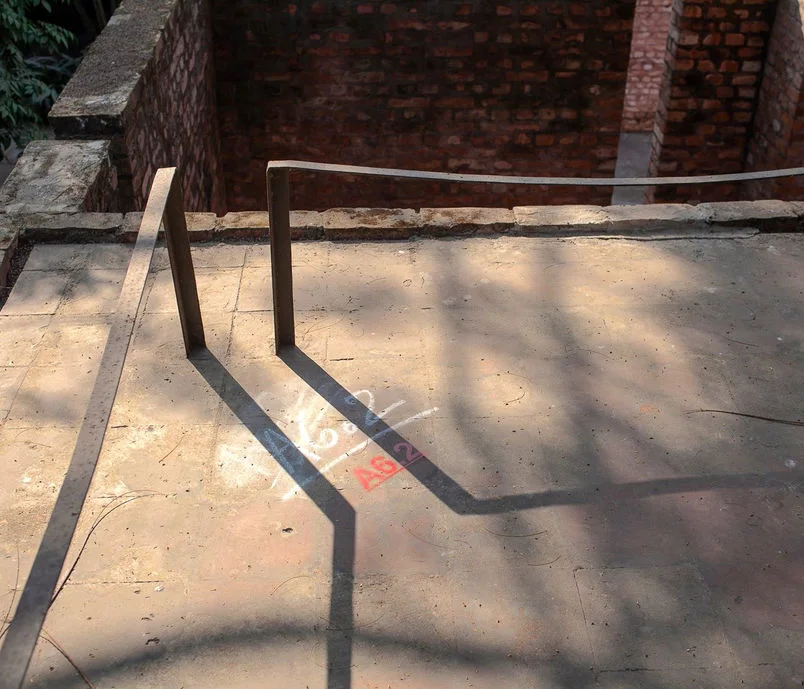
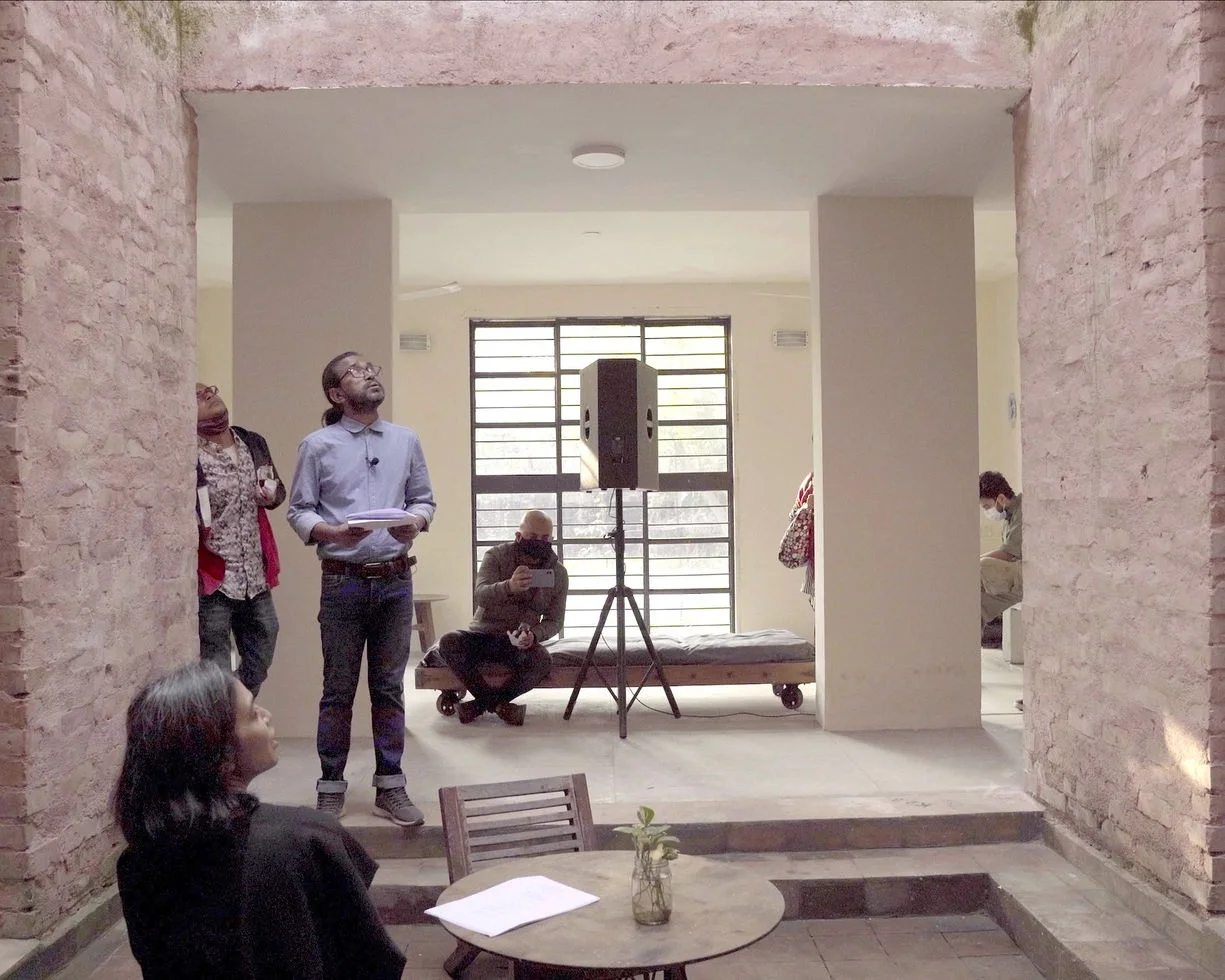
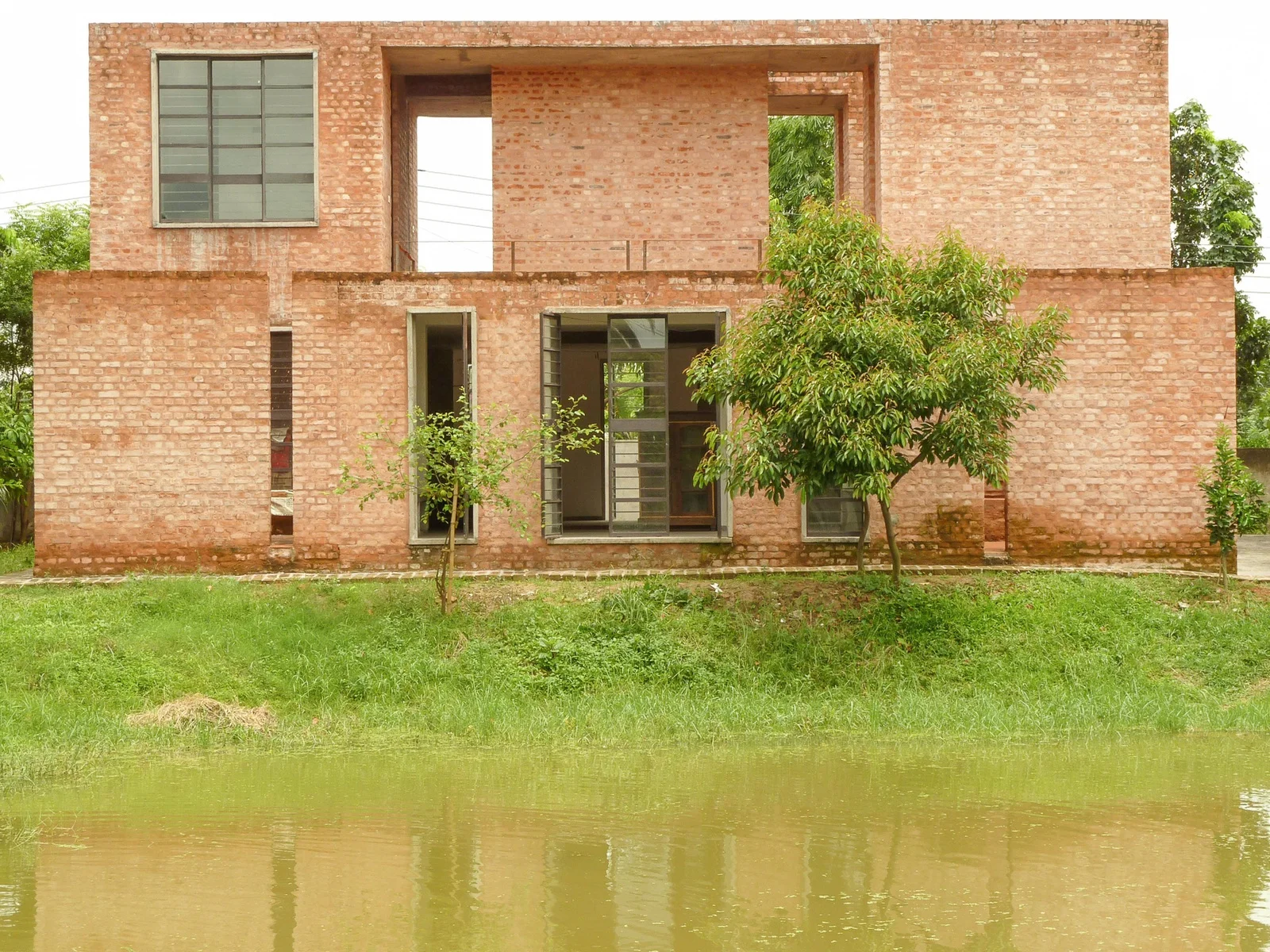
Faydabad To-Let (2021) is the first performance and installation in the Faydabad series, staged at a neglected modernist house by Bengali architect Marina Tabassum on the edge of Dhaka. Two performers, carrying scripts and following marks etched onto the floor, rehearse a scene in which one desperately tries to rent the house from the other. Drawing on regional theatre and the conventions of a property viewing, the performance uses each room and architectural feature to explore the introduction of modernism to Bengal, its possibilities and its entanglement with the difficult history of the state.
As the performers walk, sit and drink tea, the prospective renter imagines the life the house might contain. In reality, the building was unwanted and had fallen into disuse; nobody had been able to live there, and suspicions surrounded it. The renter nevertheless invests it with his ambitions. His optimism produces a melancholy reflection on the hopes carried by architects who brought Western modernism to the region, and on what remains when those ideas fail to take root.
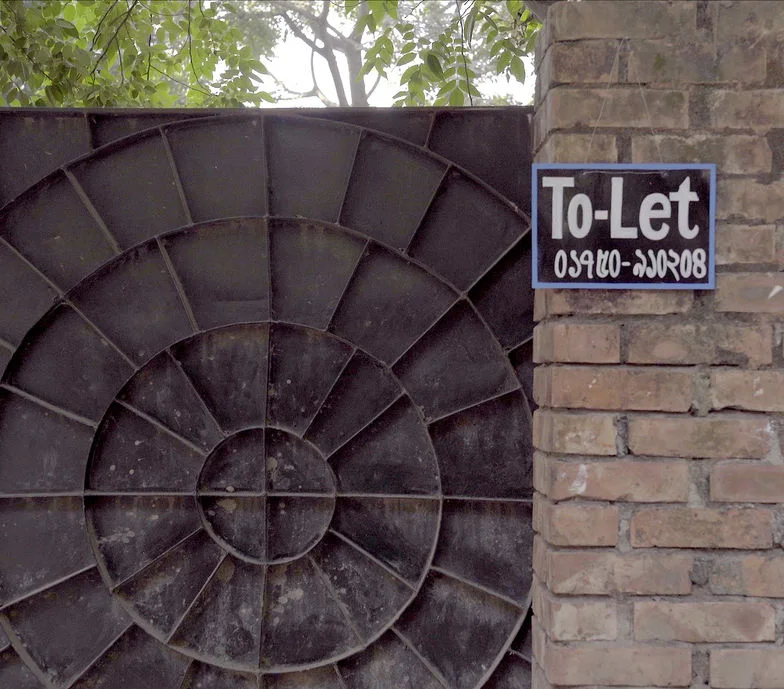
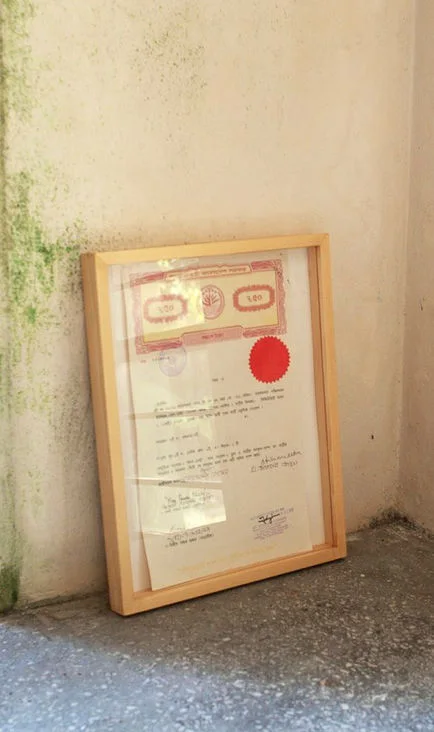
Moving from outside to inside and from room to room, the performers continually displace the audience, which must find new ways to position itself within the building. The performers are miked, casting their voices through the rooms even when they cannot be seen. Pages from the eventual deed they sign—containing several strange conditions—hang on the walls. Outside, a small ‘To-Let’ sign displays a mobile telephone number: an inconspicuous intervention that transforms the abandoned building into something apparently available, and changes how visitors understand the site.