Janus Tussle (2022)
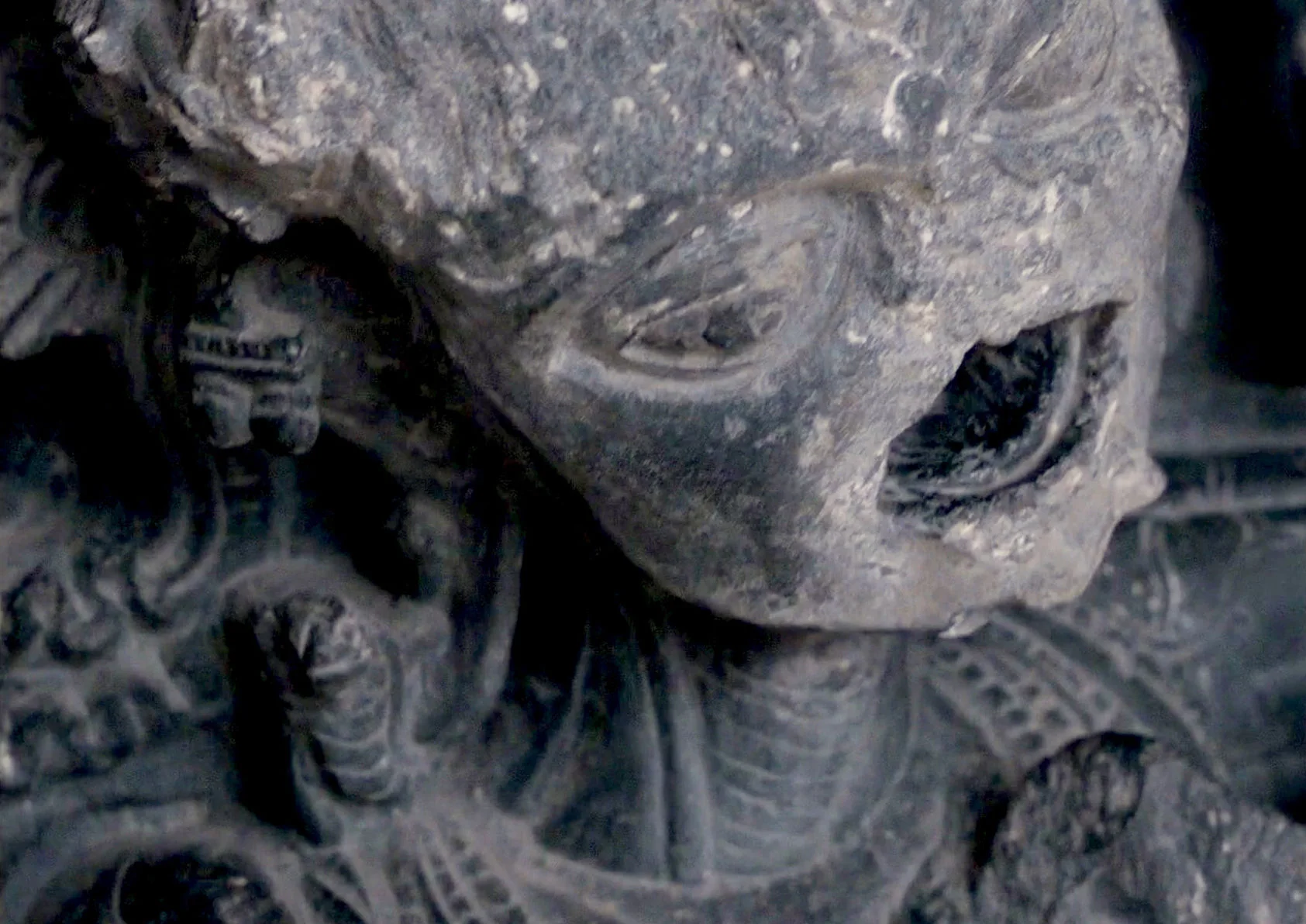
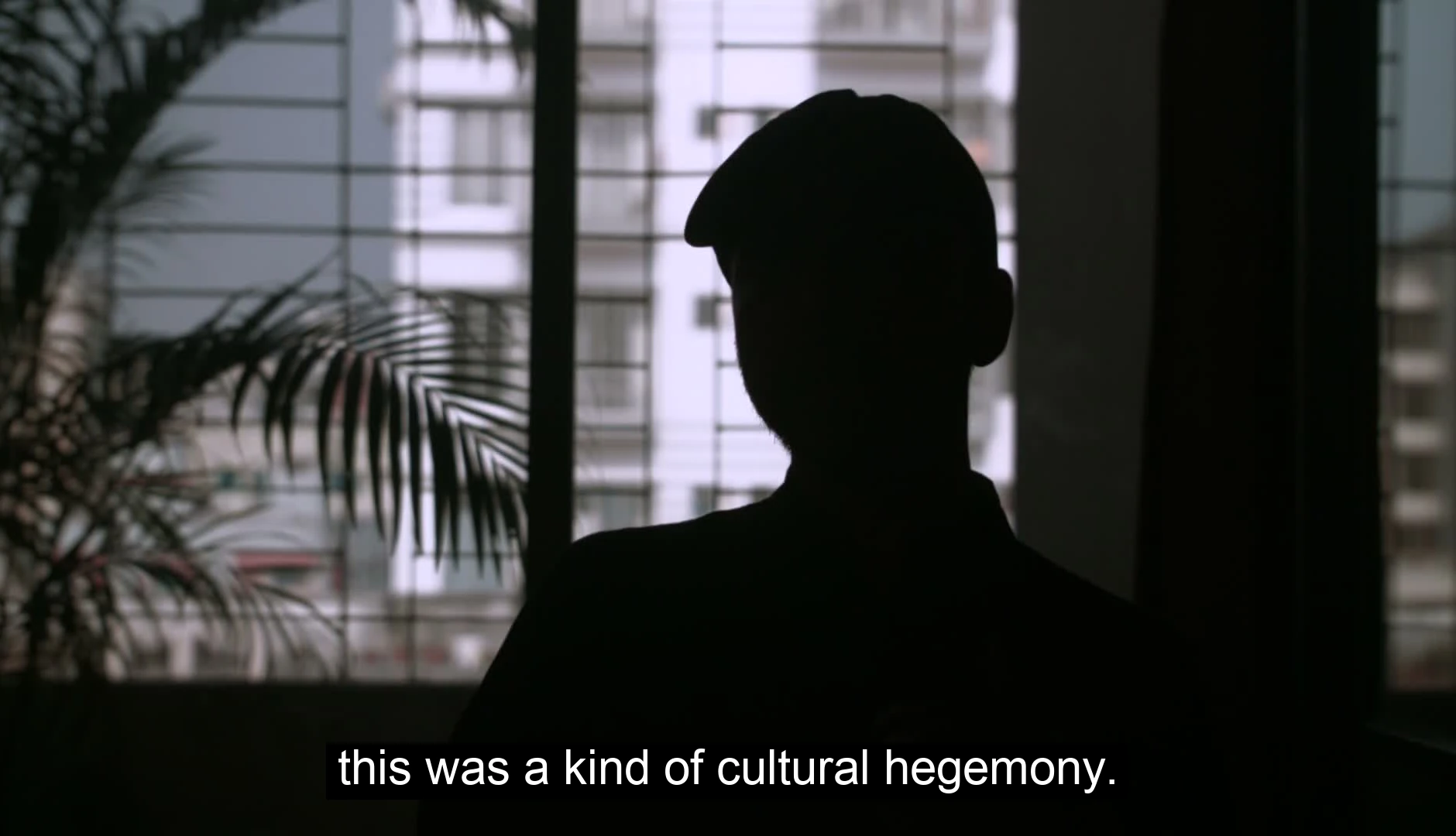
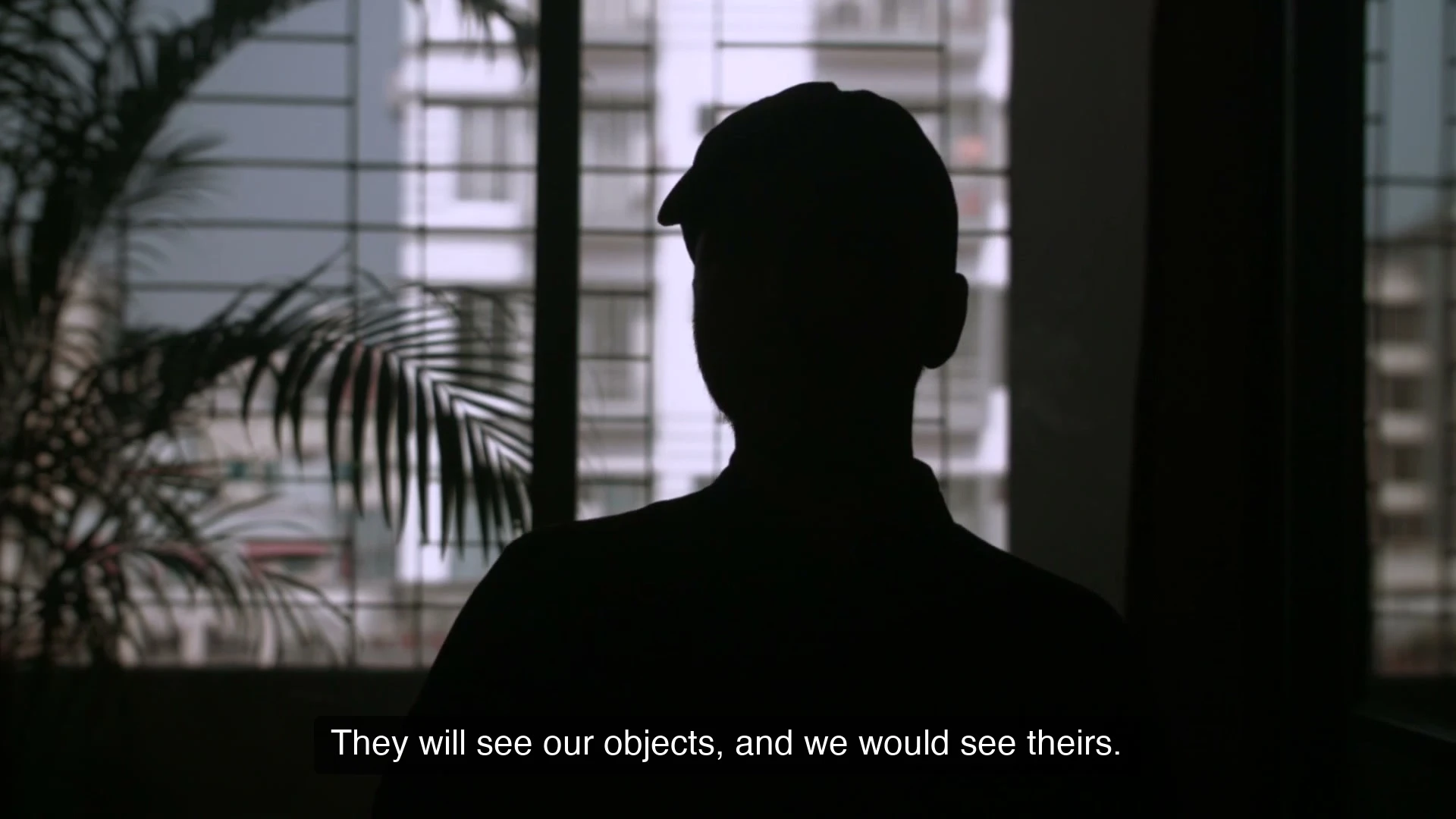
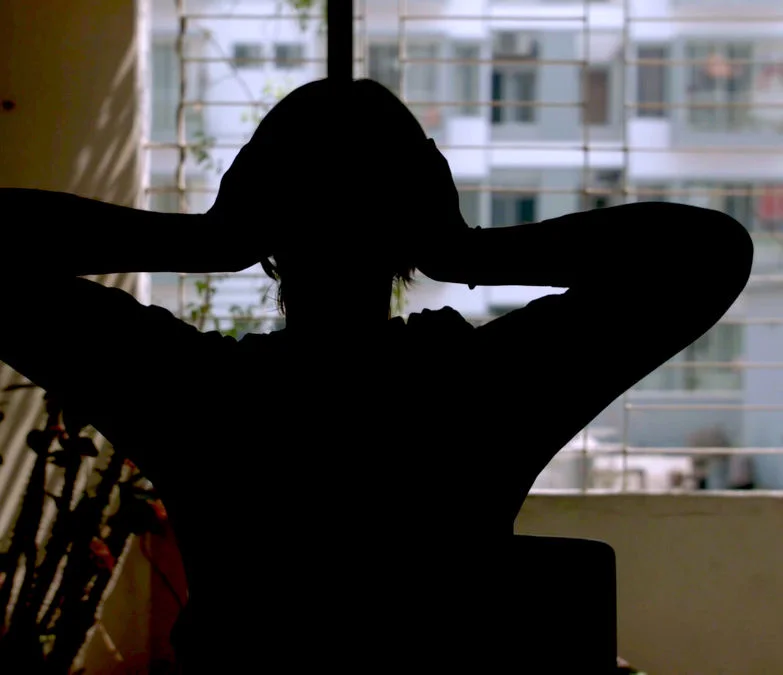
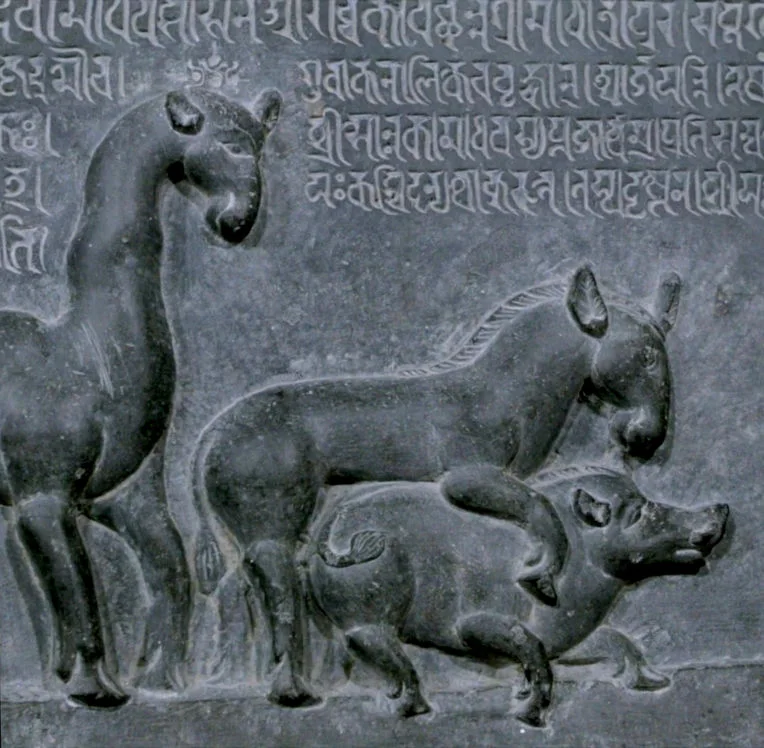
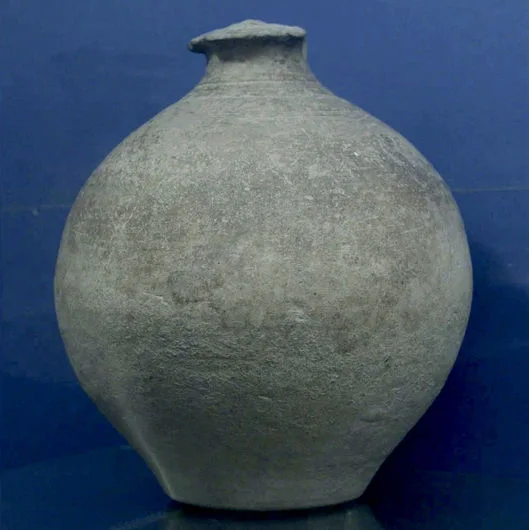
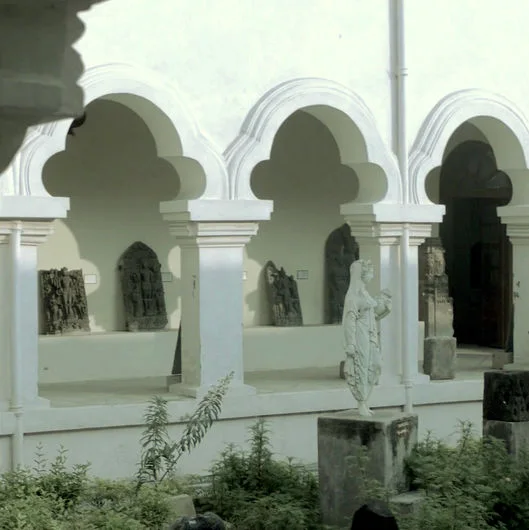
Janus Tussle (2022) is a film that investigates through structuralist techniques the aftermath and intrigue of a failed exhibition of priceless antiquities between Dhaka and Paris. Two anonymous, visually and aurally concealed sources offer conflicting accounts of what happened, shaped by rumour, political conviction and personal responsibility. Their stories involve street protests by enraged activists, priceless objects stolen and damaged by baggage handlers, the resignation of a culture minister and the sudden death of a young Bengali diplomat.
The exhibition was opposed as an unequal and potentially dangerous transaction: the antiquities were undervalued, their safe return appeared uncertain and the terms of exchange seemed to reproduce an older colonial imbalance. The film gradually complicates this account. The French institution becomes both antagonist and convenient proxy, while responsibility disperses across opaque government negotiations, neglected museums, cultural administrators and a civil society more capable of resisting an external threat than confronting its own structural failures.
Moving through obscured testimony, museum interiors and fragmentary historical traces, Janus Tussle is less concerned with establishing exactly what happened than with how the incident is remembered and what each participant needs it to mean. What remains is a postcolonial mystery in which exchange, trust, protection and abandonment become difficult to distinguish, still haunted by an unjust and traumatic past.