Order (2018)
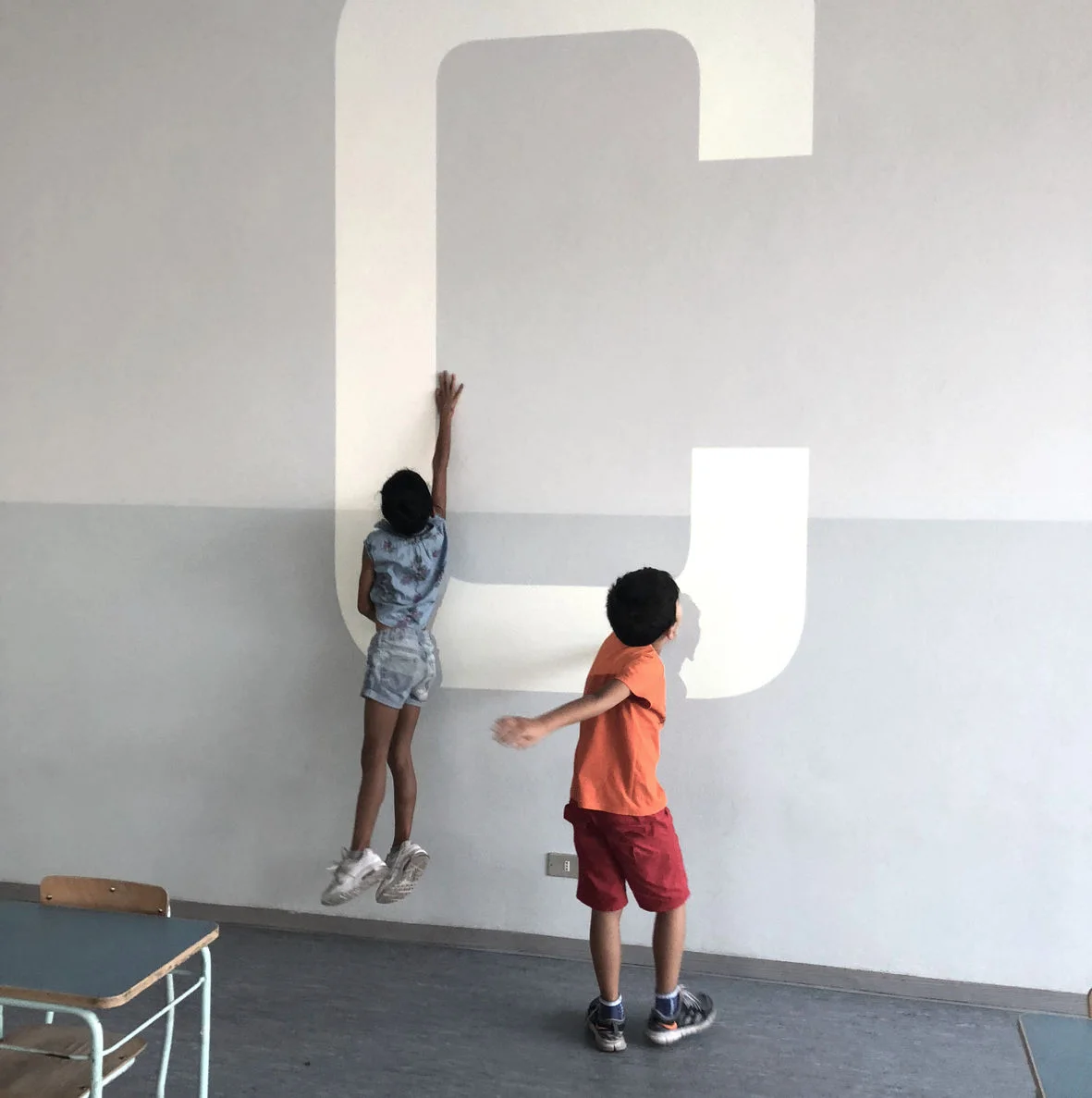
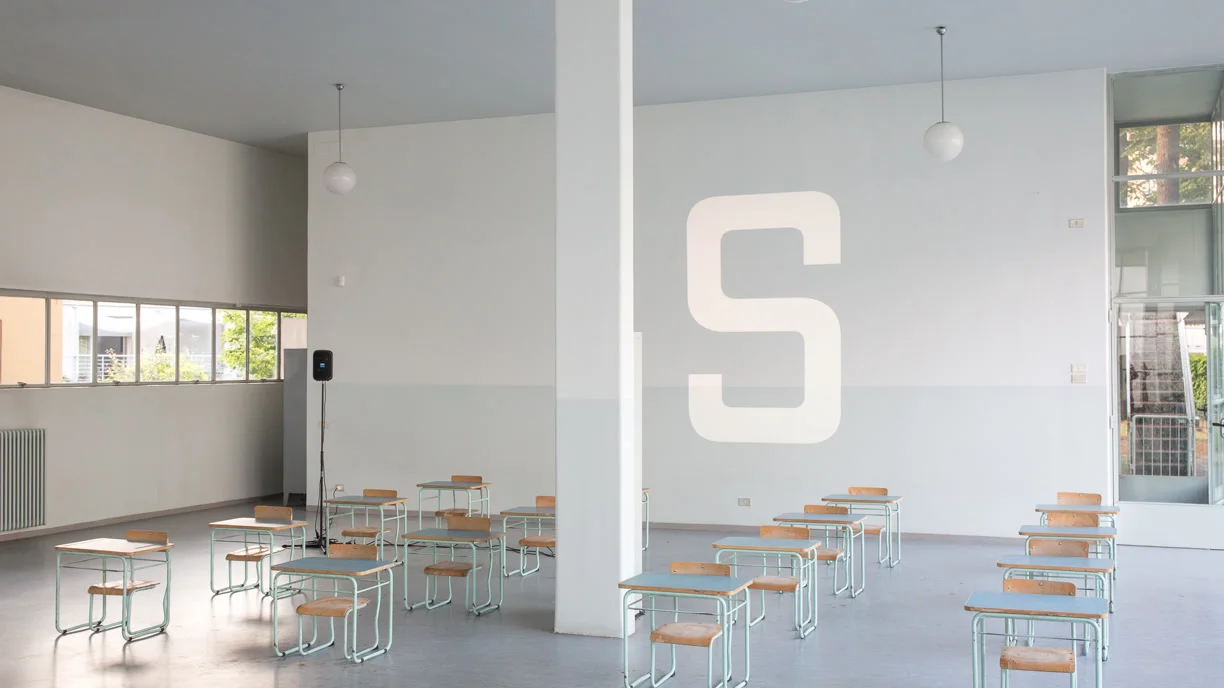
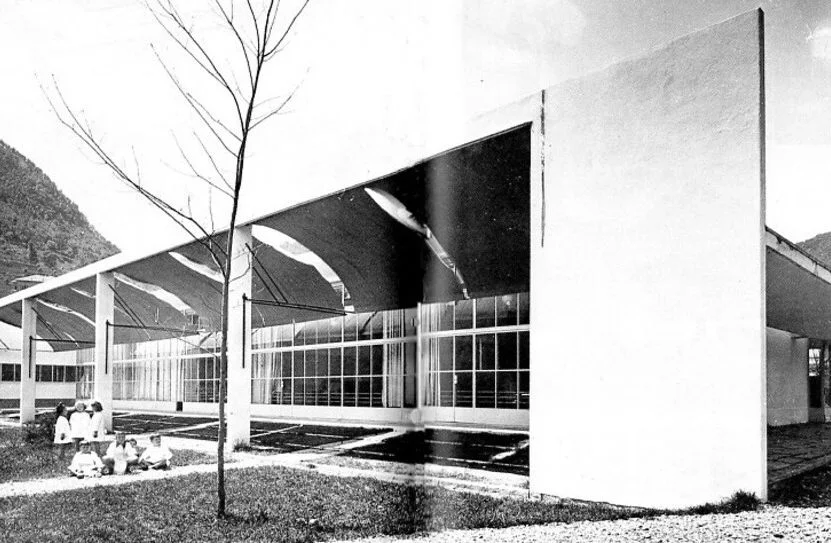
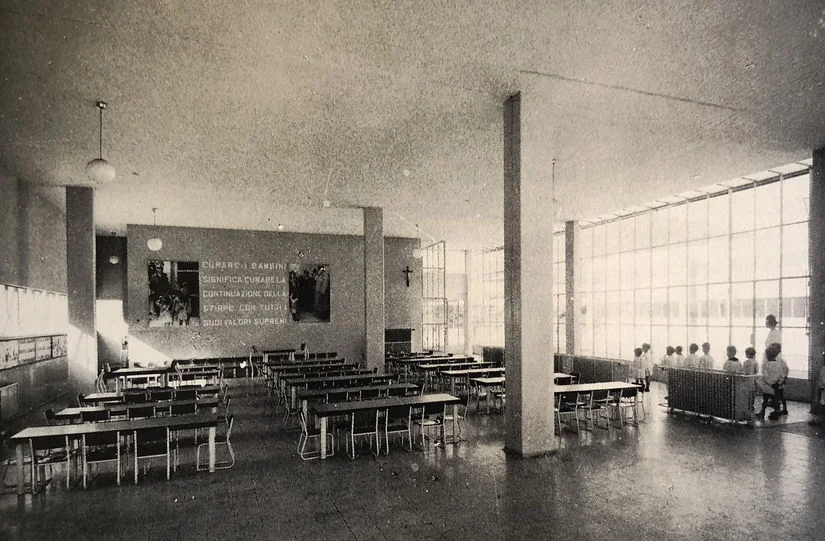
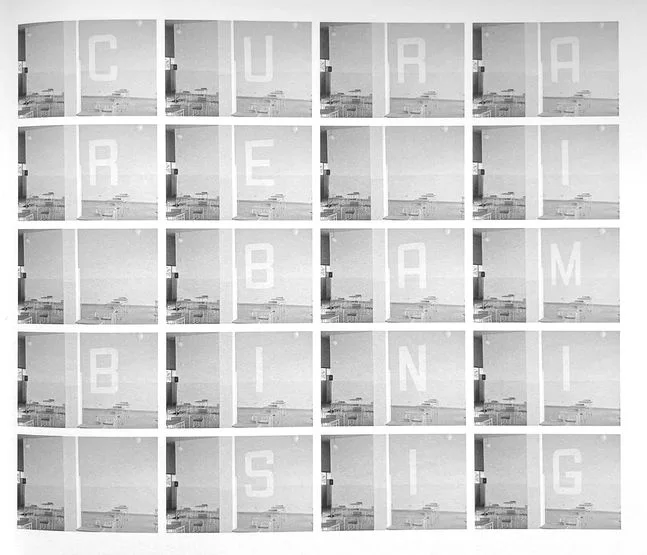
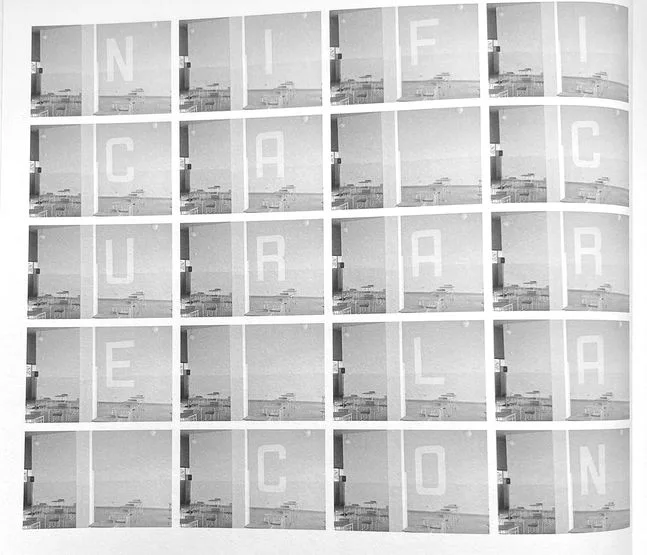
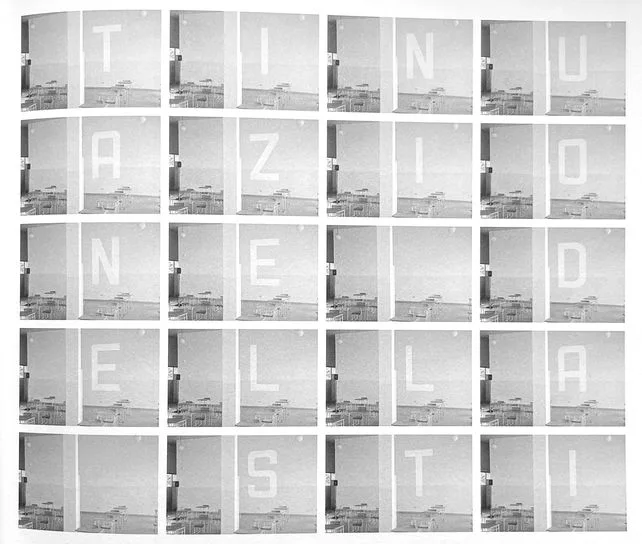
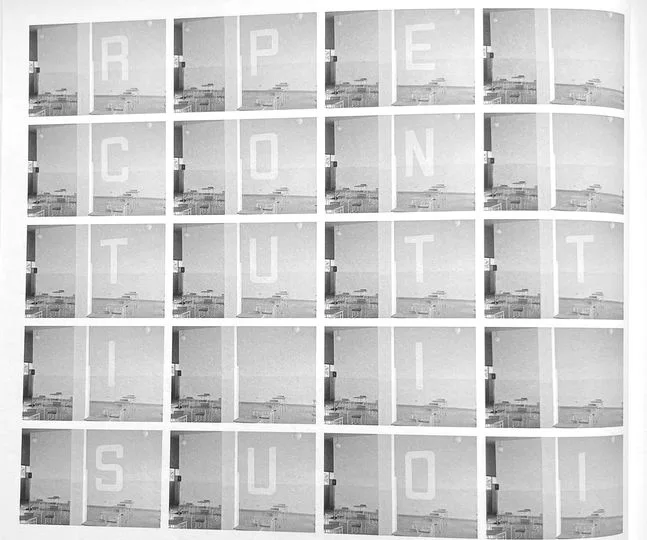
Order (2018) occupies the Asilo Sant’Elia in Como, a modernist nursery designed by the Italian Rationalist architect and committed Fascist Giuseppe Terragni. A film is projected onto a wall before orderly rows of children’s tables and chairs designed by Terragni. Isolated letters slowly appear and disappear while the voice of his granddaughter, Maddalena Terragni, recites them aloud. The letters are drawn from a dark Fascist sentence formerly inscribed on the walls of the school. They hover between an elementary reading exercise, an architectural remnant and a political command.
The original paint scheme draws a horizontal line across the bottom of the projection like the guide in a child’s handwriting book. Through this deceptively simple arrangement, Order dismantles the sentence into its smallest components and cautiously releases it back into the building. Language no longer communicates its ideology coherently, yet neither can it be made innocent: every letter retains something of the system from which it came. Set against the beauty, openness and precision of Terragni’s architecture, the work asks how authoritarian ideas become embedded in apparently benevolent forms—schools, furniture, alphabets and ideals of care—and how aesthetic order can preserve a history that the removal of its words has not erased.
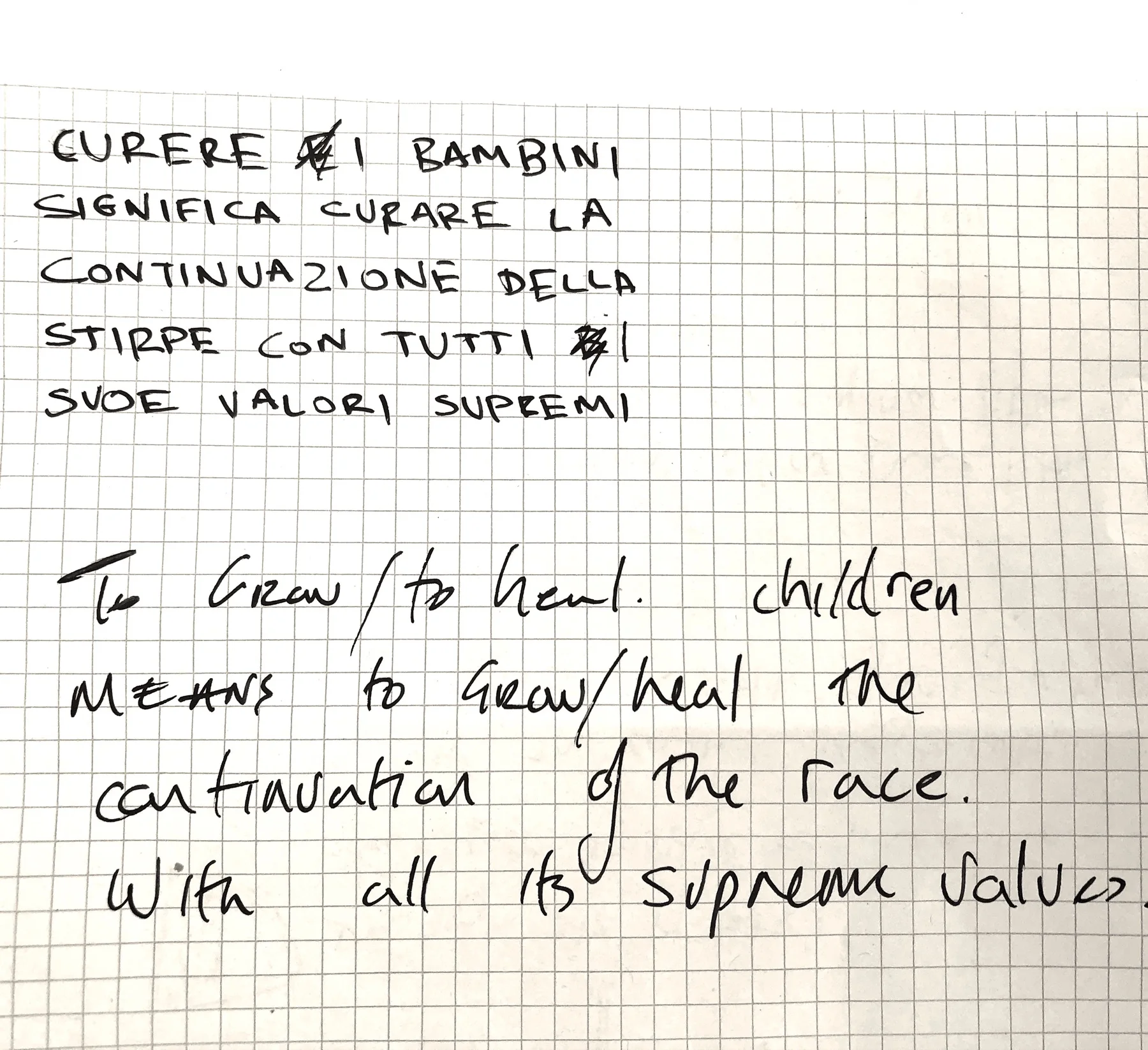
The original sentence translates as: “To nurture children is to nurture the continuation of the race, with all its supreme values.”