Ways (2014)
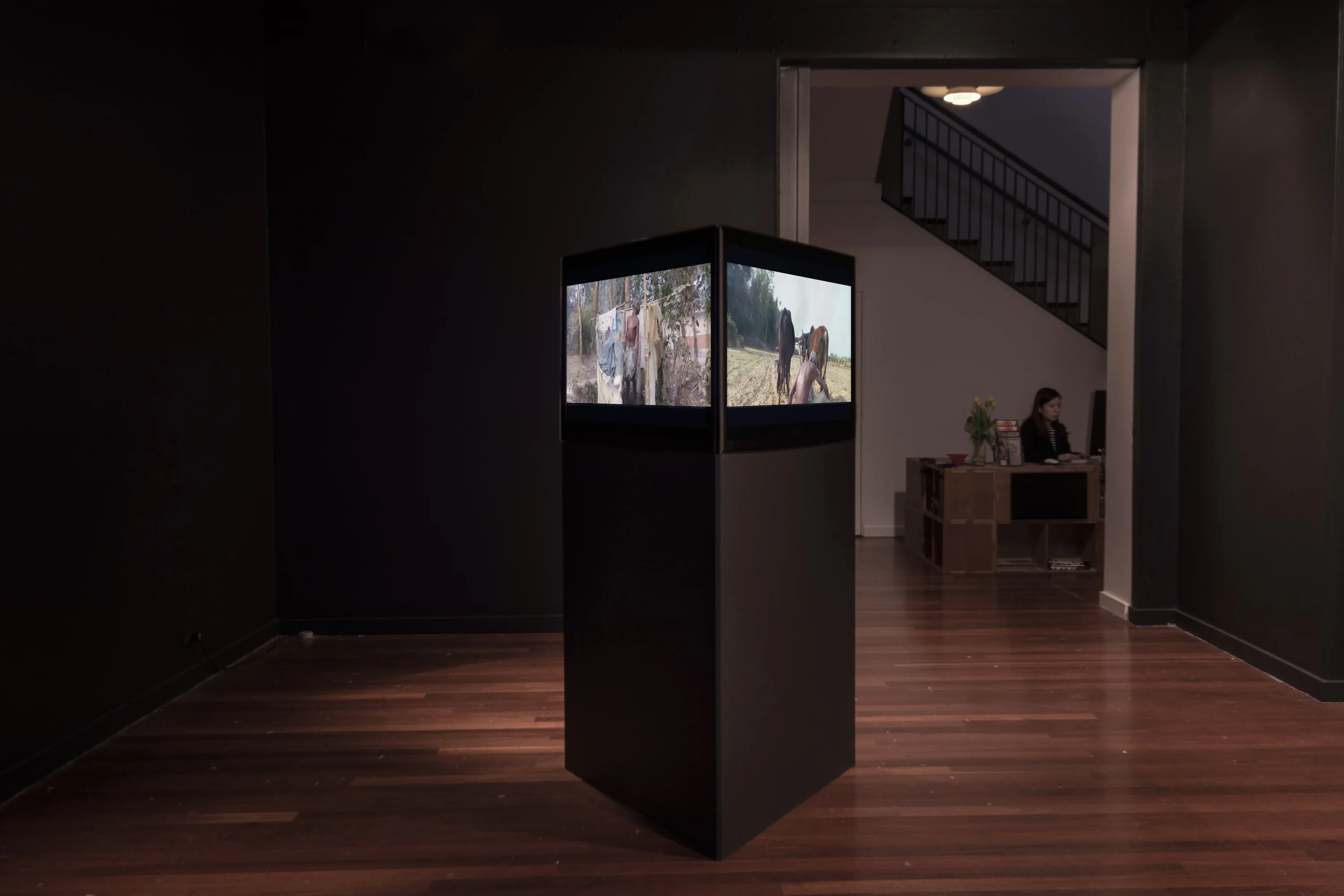
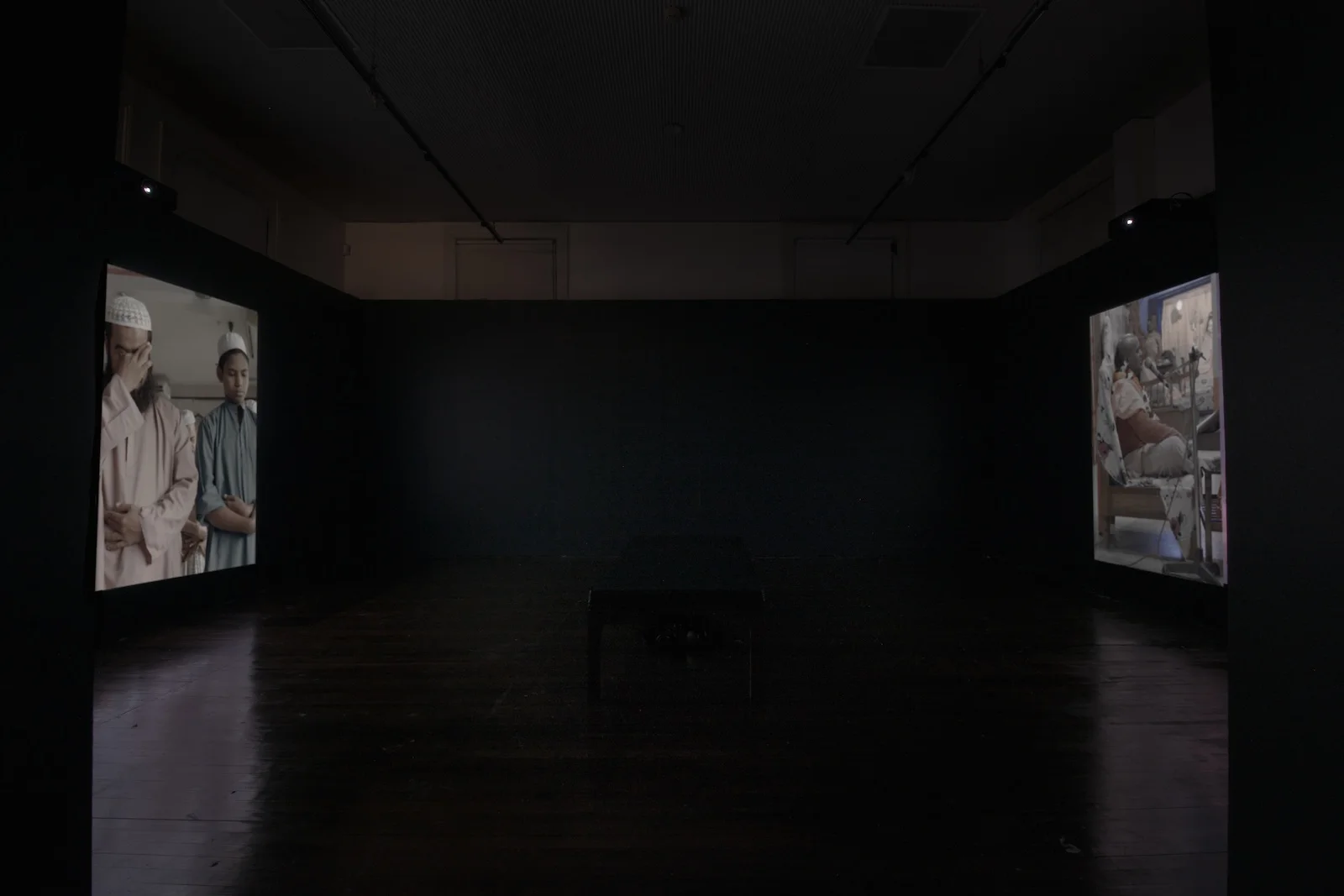
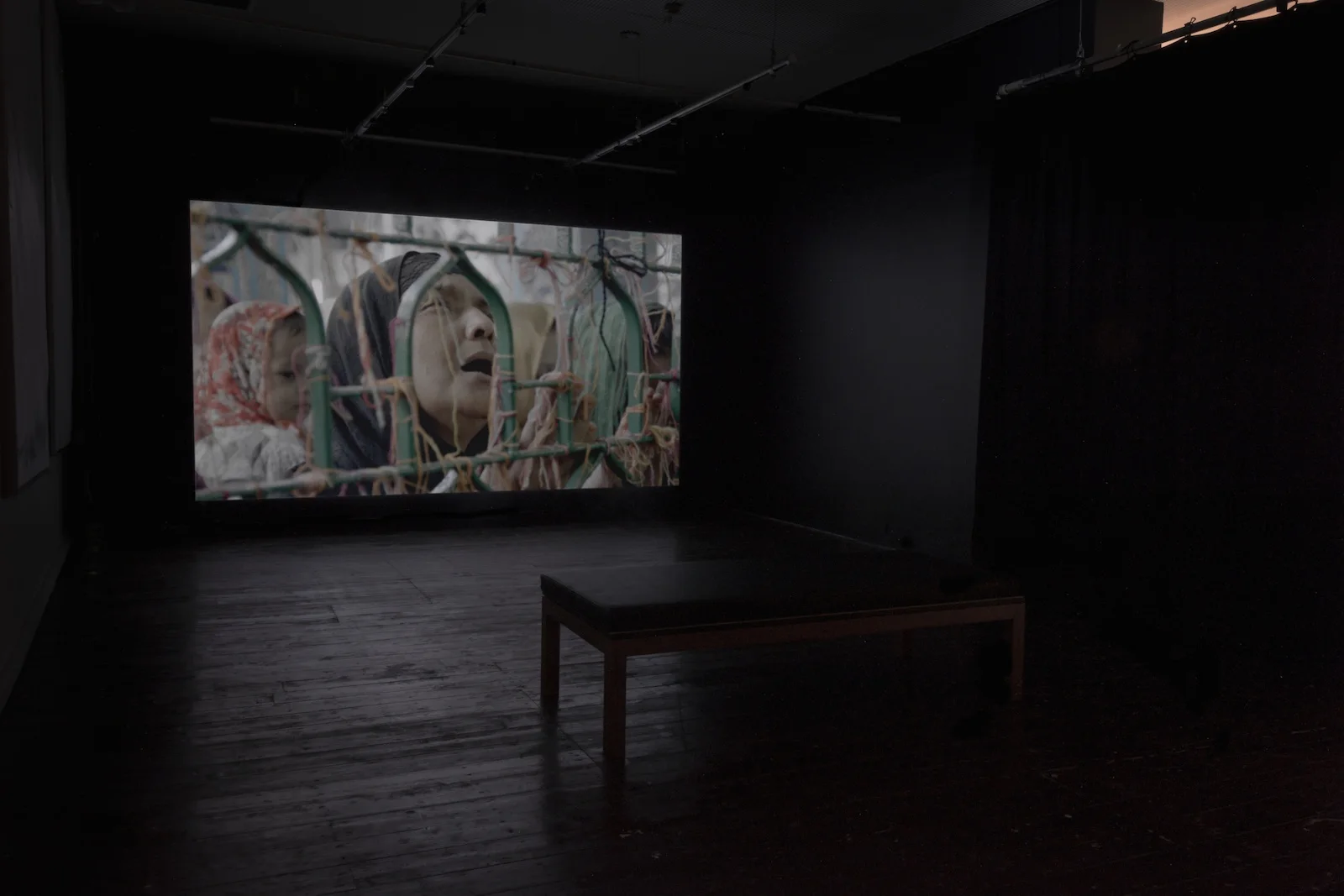
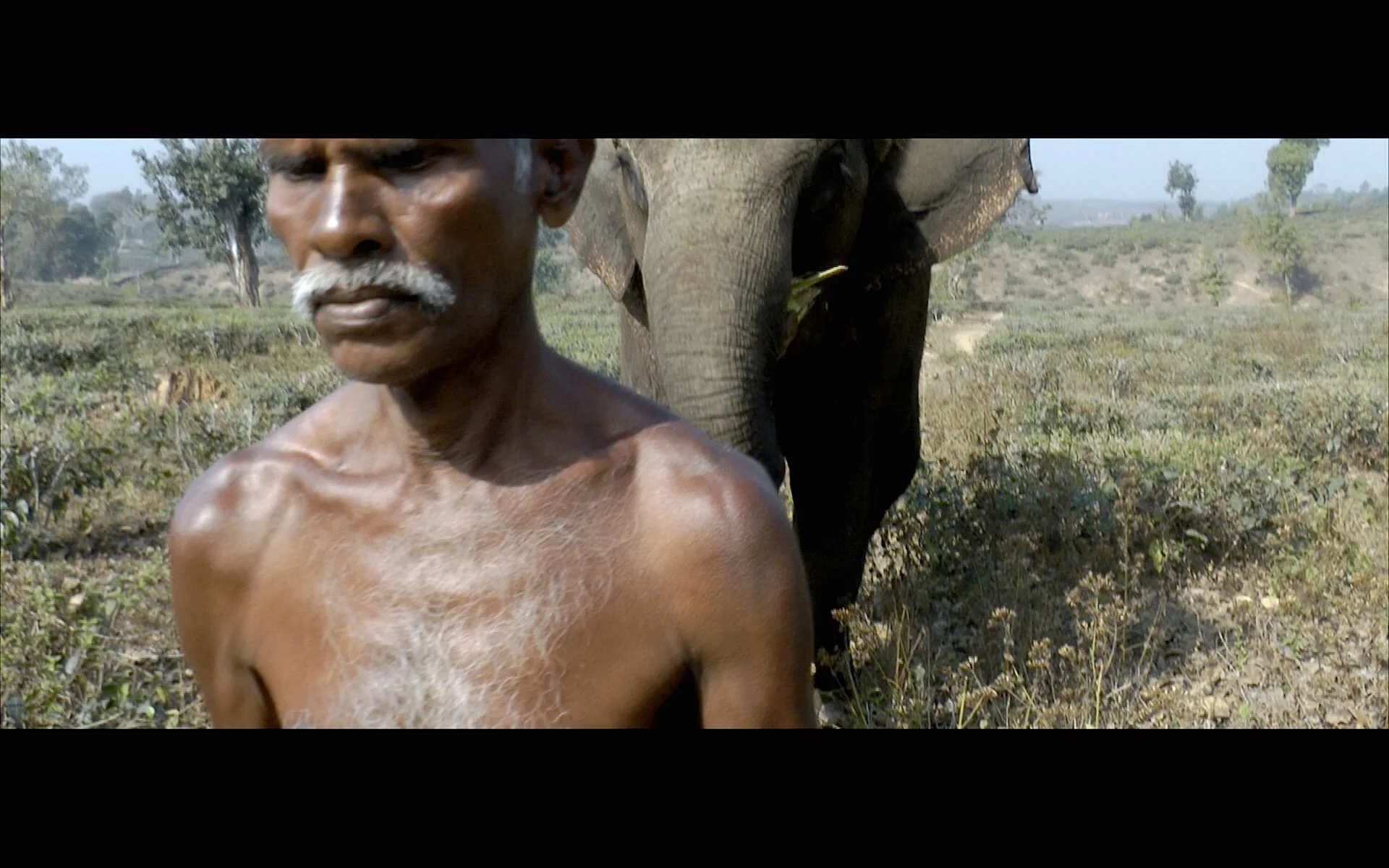
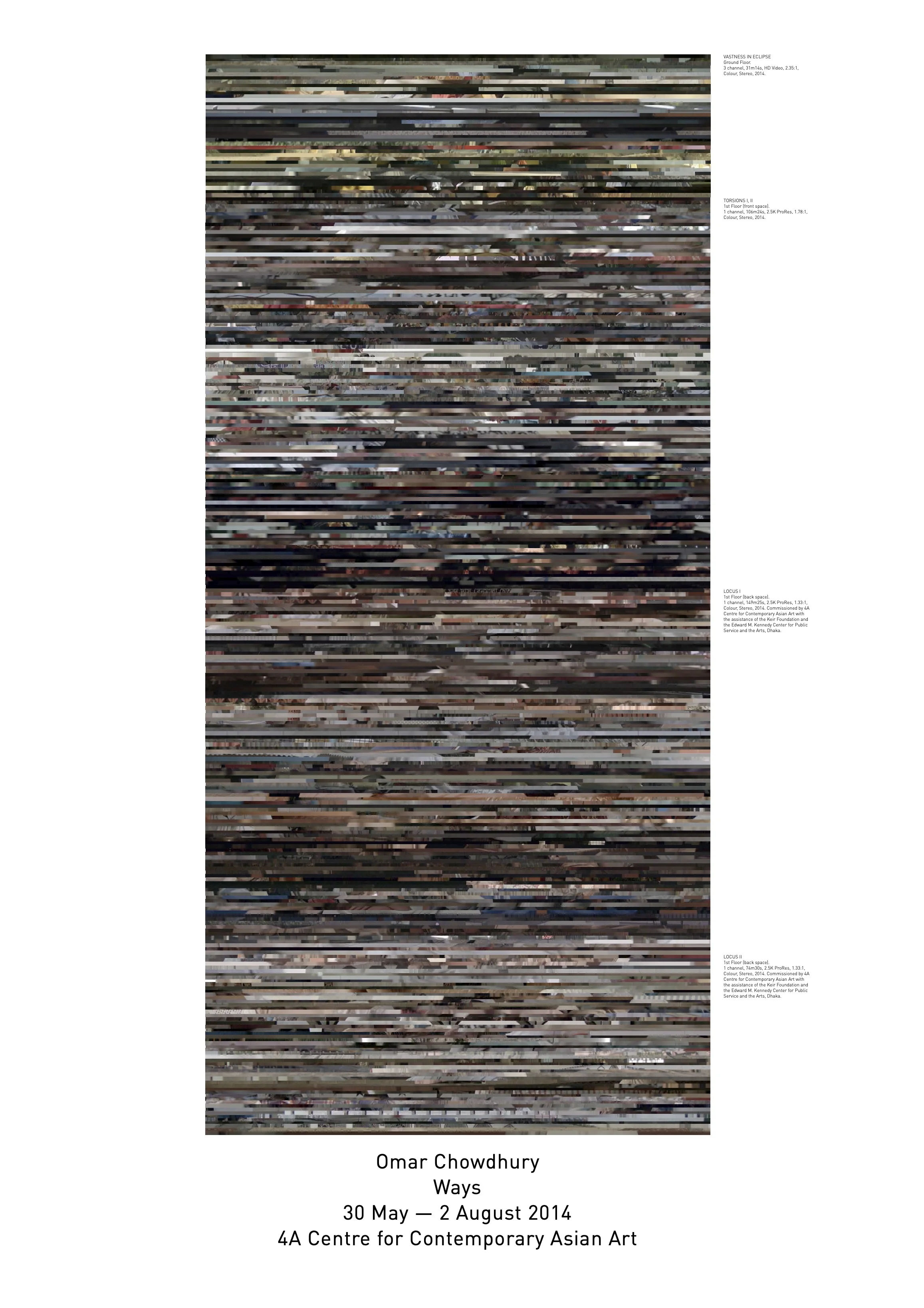
Across 4A’s two floors, Ways (2014) brings together three durational moving-image installations made through sustained immersion in spiritual spaces. Across a tea plantation, a Hindu procession, Shia mourning rites, a Hare Krishna temple and a Sunni mosque, the exhibition questions how spiritual experience becomes visible through bodies, routines, architecture and cinematic time.
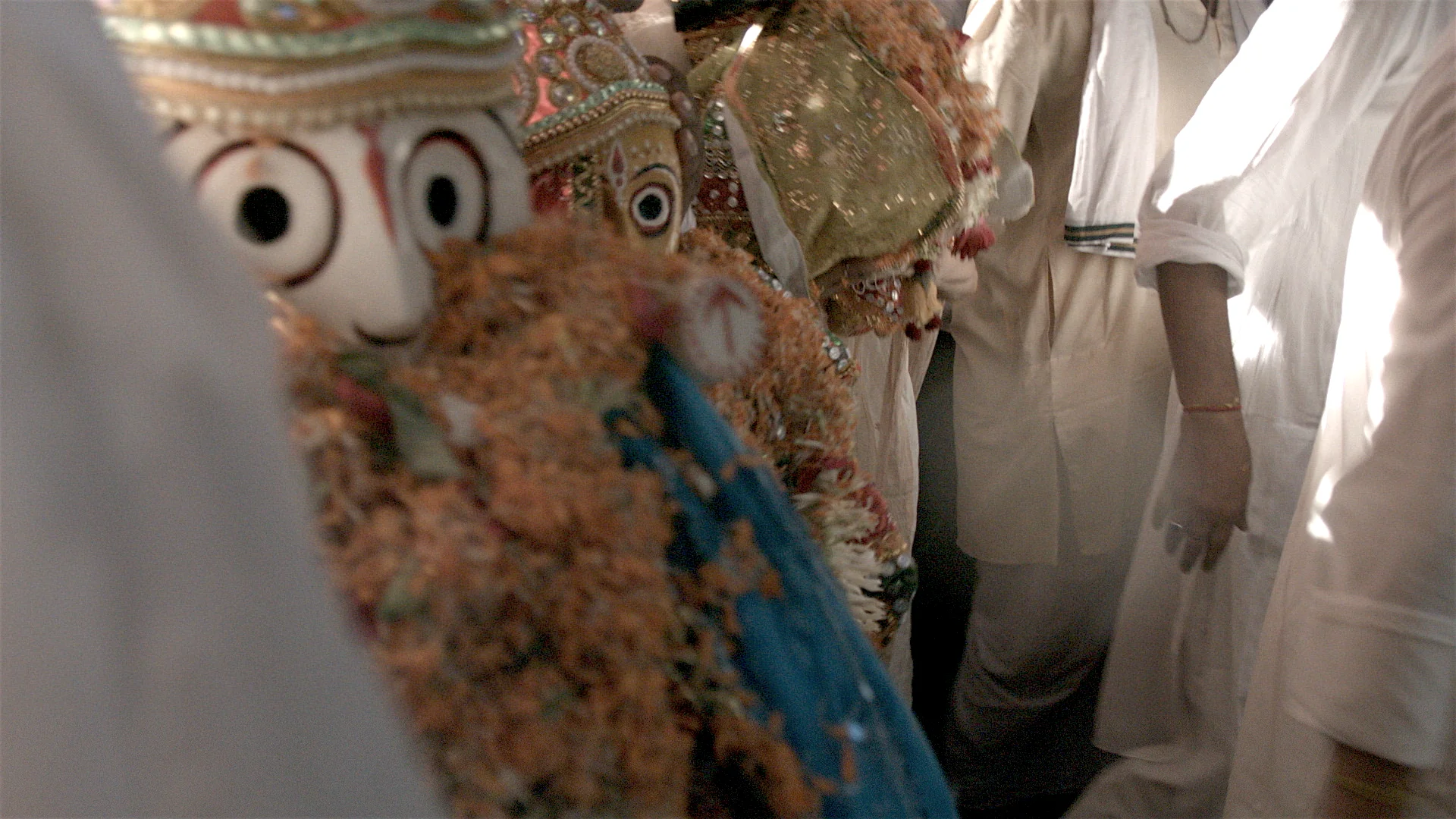
On 4A’s ground floor, the three-channel Vastness in Eclipse moves between documentary observation, fiction and images of its own making, turning an elderly plantation worker’s daily life into a meditation on mortality. Upstairs, Torsions compresses the crowds of Ratha Yatra and Muharram into a 106-minute rhythm: ecstasy, grief, spectacle and exhaustion approach and disturb one another.
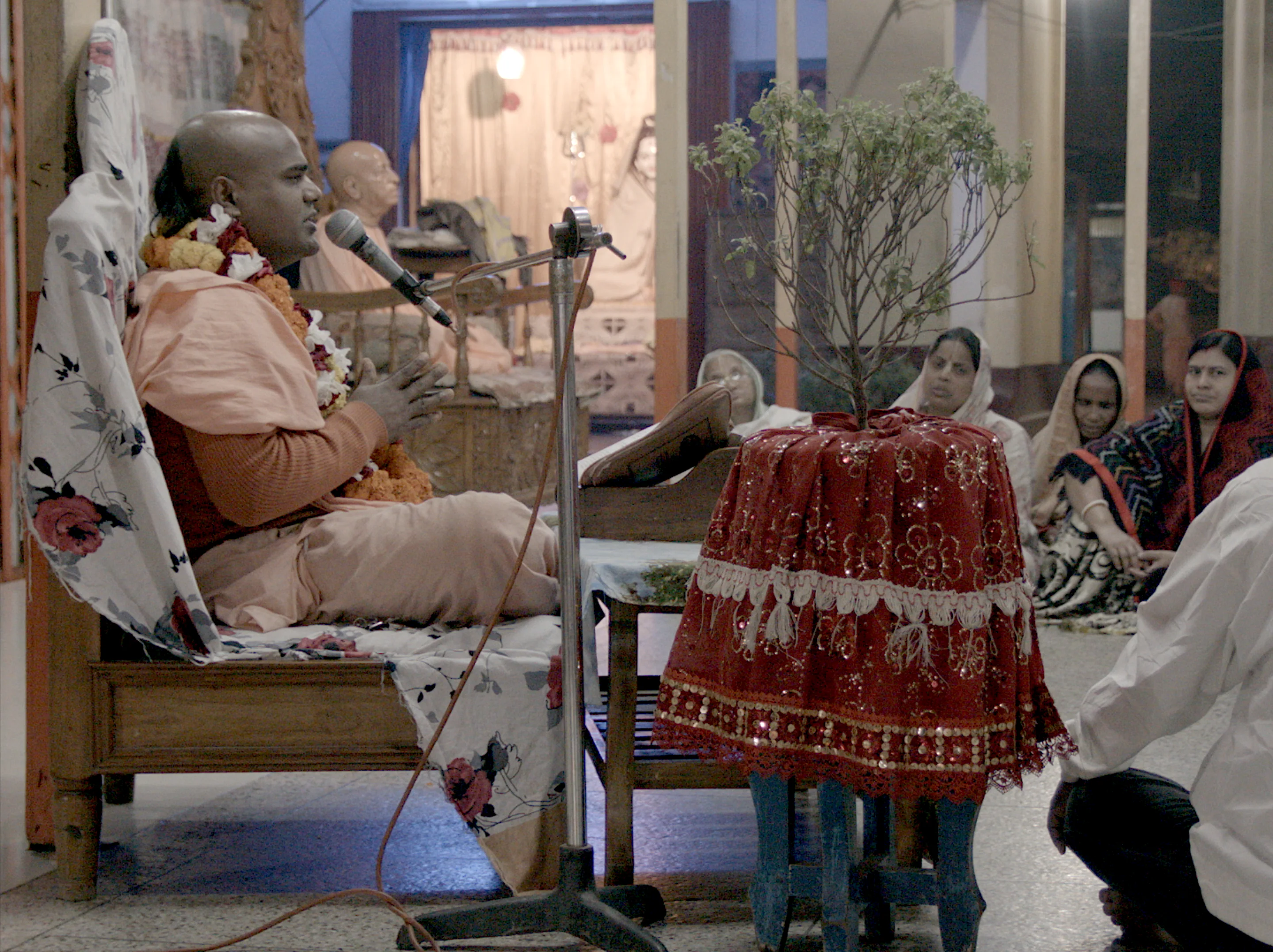
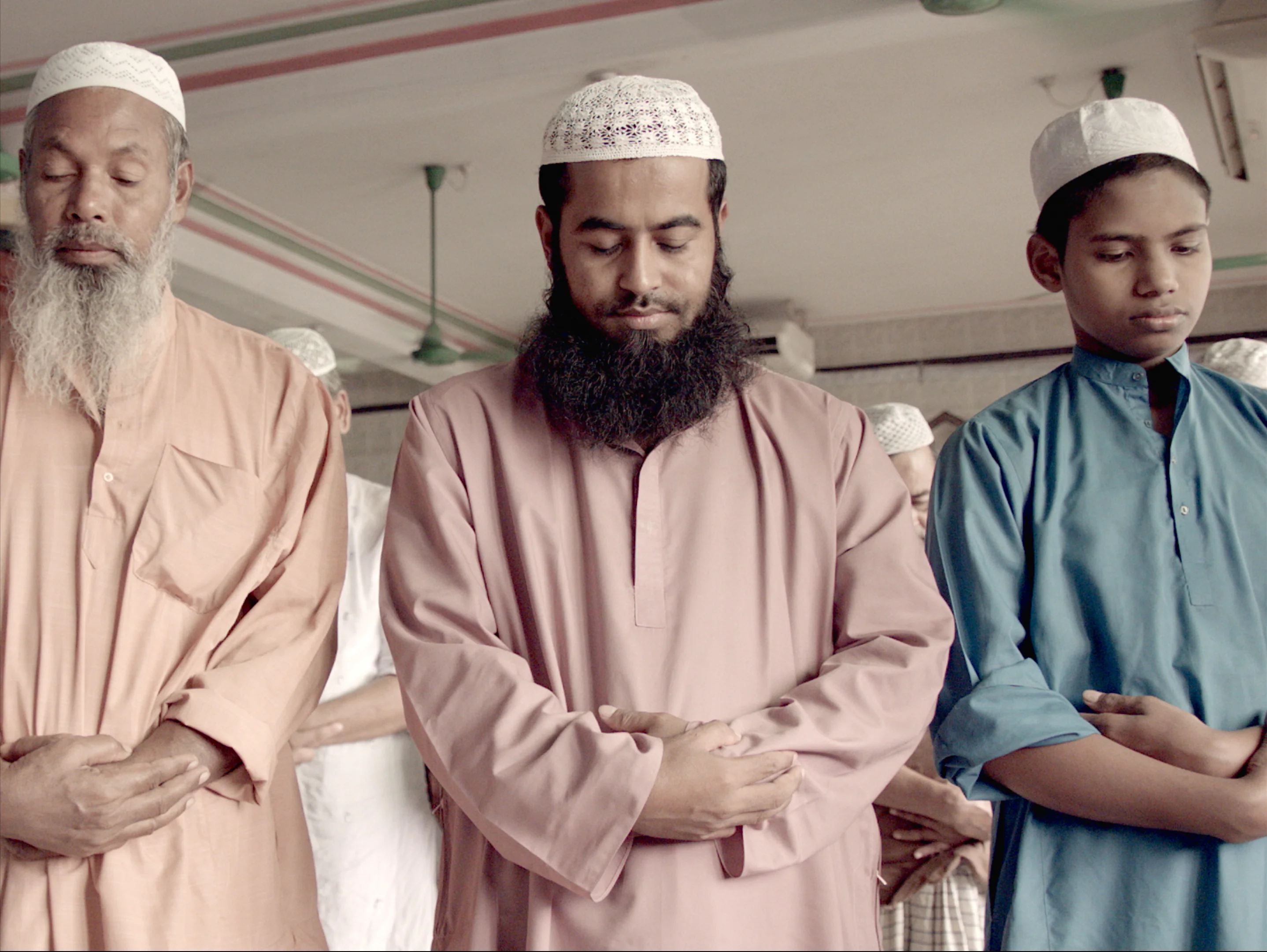
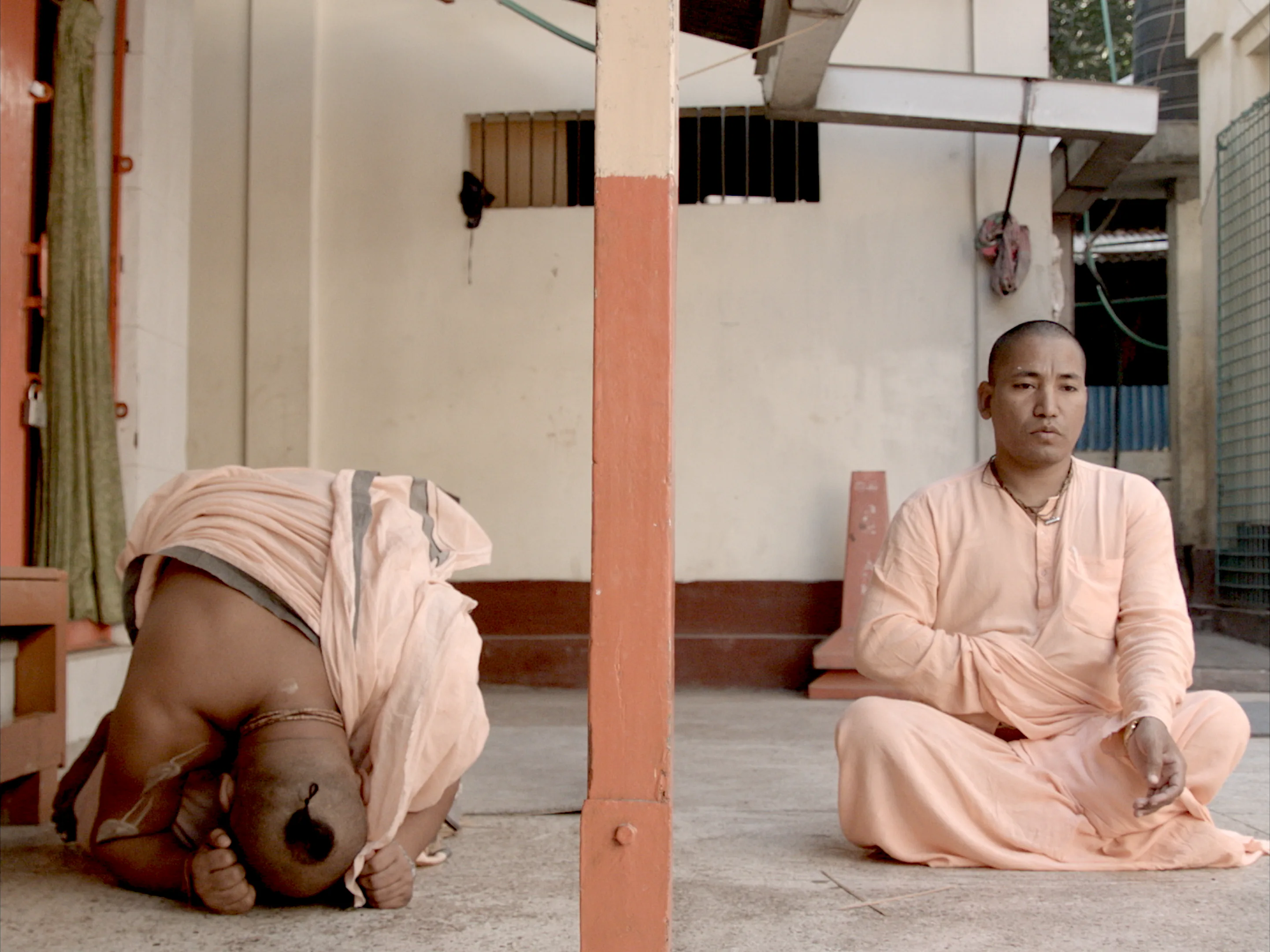
Behind it, Locus I and II place films made over several years inside an ISKCON temple and a Sunni mosque beside the Buriganga River on facing screens. Their long takes attend to prayer, chant, sleep, maintenance, conversation, contradiction and humour. Headphones make spectators turn physically and mentally between two distinct spiritual worlds.
Ways refuses explanatory survey or devotional certainty. Its demanding durations convert 4A into an architecture of attention, asking viewers to encounter faith not as doctrine or exotic image but as embodied labour, communal rhythm and unresolved form.